
CLS-138 Cells
CAD$897.00*
Products are shipped frozen on dry ice in cryotubes. Each cryotube typically contains 3 × 10⁶ cells for adherent lines or 5 × 10⁶ cells for suspension lines (refer to the batch CoA for details).
General information
| Description | CLS-138 cells were derived from the primary spindle cell sarcoma of female NMRI mice, following the induction of tumors via a single injection of Benzpyrene. This development has presented a valuable asset for the scientific community, particularly for those delving into the complexities of spindle cell sarcomas-a type of malignant tumor originating from connective tissue. The cultivation of these cells provides a unique window into understanding the pathophysiology of such tumors and exploring potential therapeutic avenues. The introduction of CLS-138 cells into research has significantly enhanced our understanding of spindle cell sarcomas. These cells allow for a detailed examination of the molecular and genetic landscape, shedding light on the mutations and abnormalities pivotal in the oncogenesis and progression of these tumors. Through such cellular and genetic analysis, researchers can identify key drivers of disease and potential targets for therapy. Moreover, CLS-138 cells serve as an invaluable model for testing therapeutic interventions. Exposing these cells to various treatments enables the assessment of the efficacy of numerous therapeutic agents and strategies in curbing tumor growth and inducing apoptosis. This line of investigation is crucial for the development of targeted therapies that could offer hope for better management and treatment outcomes for spindle cell sarcoma patients. The establishment of CLS-138 cells from the spindle cell sarcomas of NMRI mice has provided researchers with a consistent and replicable model for a wide array of studies. These cells facilitate investigations into the identification of biomarkers, understanding cellular signaling pathways, and evaluating prognostic factors relevant to spindle cell sarcomas. In essence, CLS-138 cells open new frontiers in the study of spindle cell sarcomas, offering insights into the disease's molecular underpinnings and therapeutic possibilities. Their derivation from induced tumors in NMRI mice marks a significant step forward in sarcoma research, promising advancements in treatment strategies and a deeper comprehension of this formidable cancer type. |
|---|---|
| Organism | Mouse |
| Tissue | Skin |
| Disease | Sarcoma |
Characteristics
| Breed/Subspecies | NMRI |
|---|---|
| Age | Adult |
| Gender | Female |
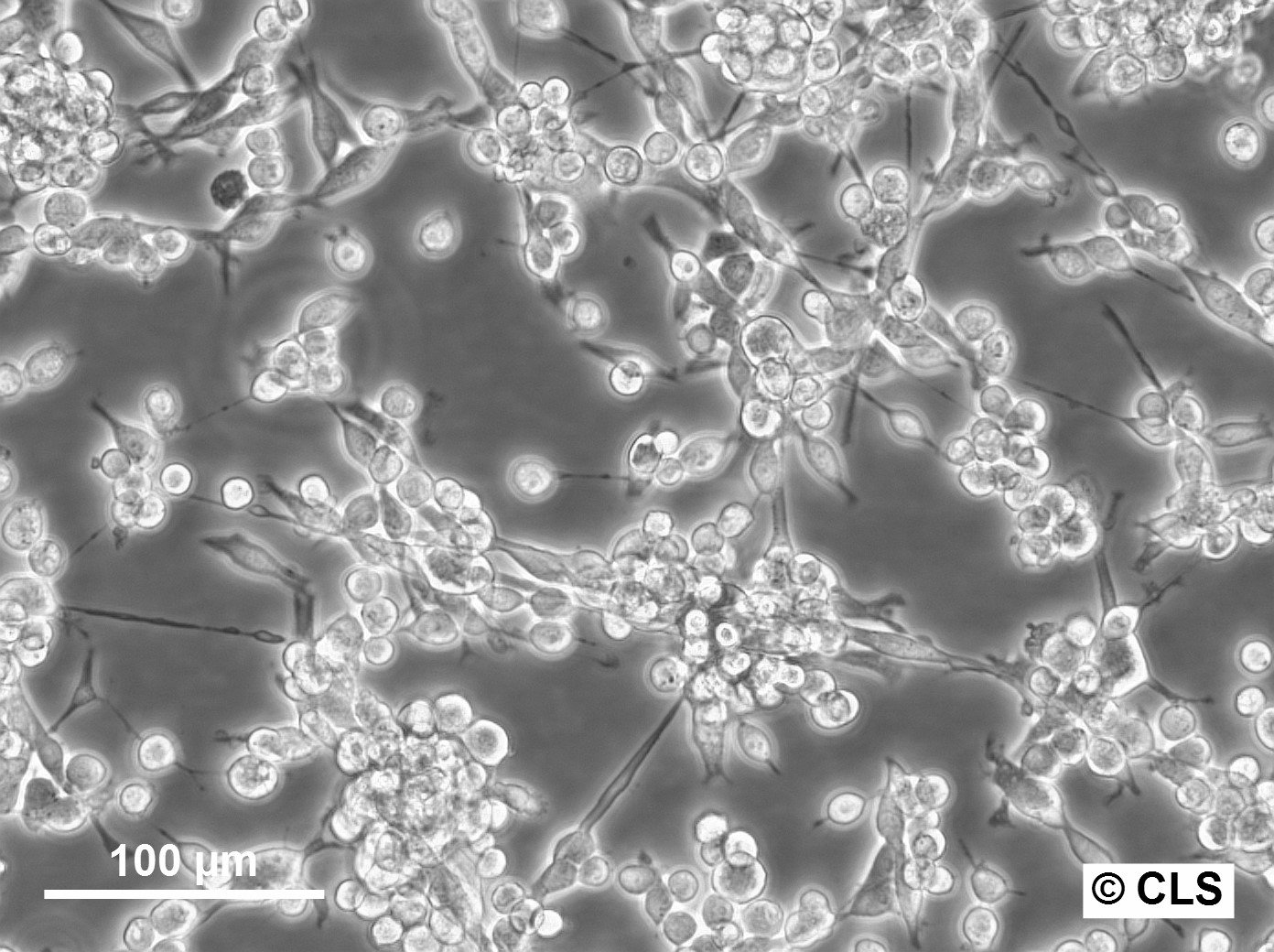
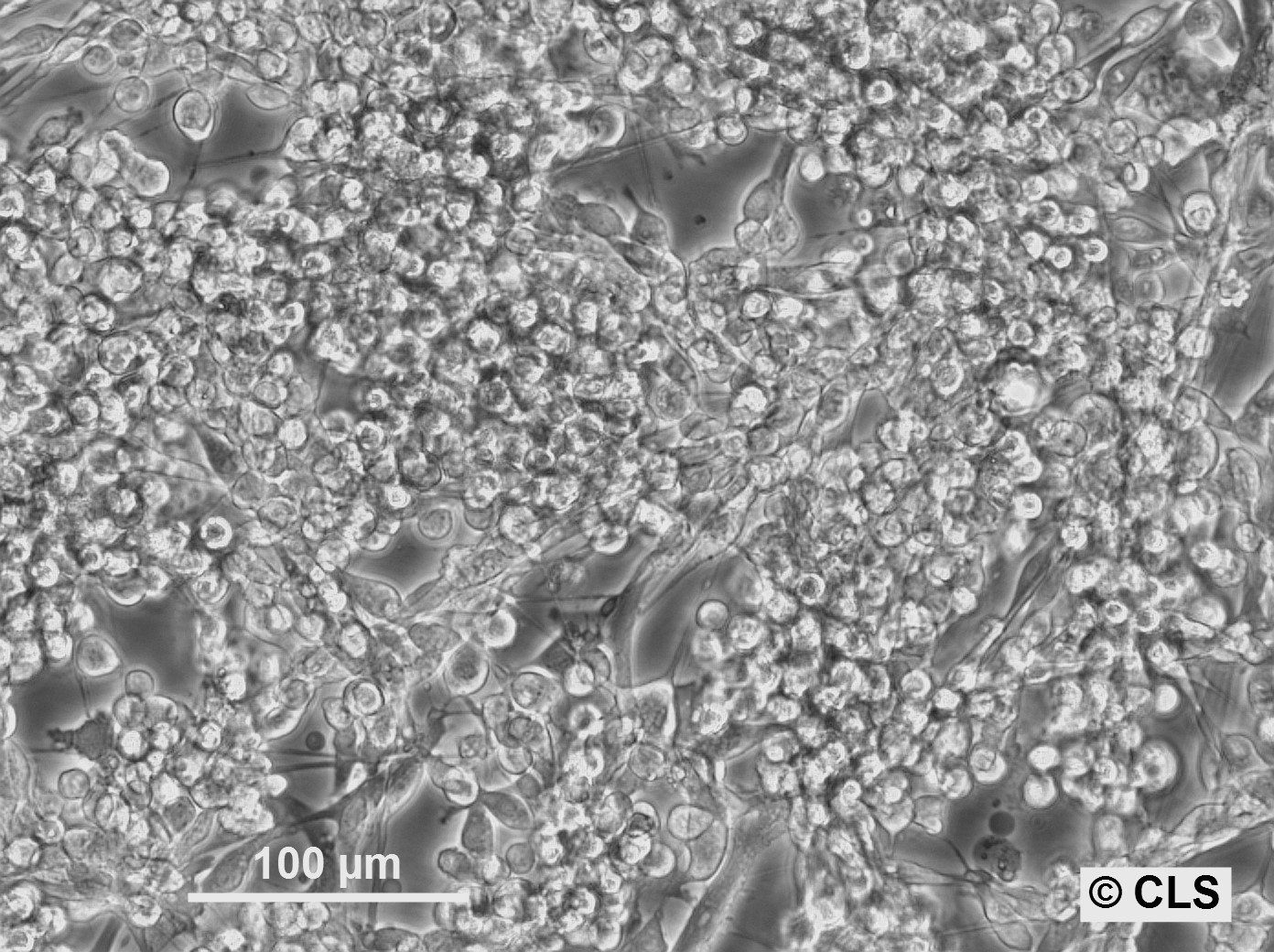
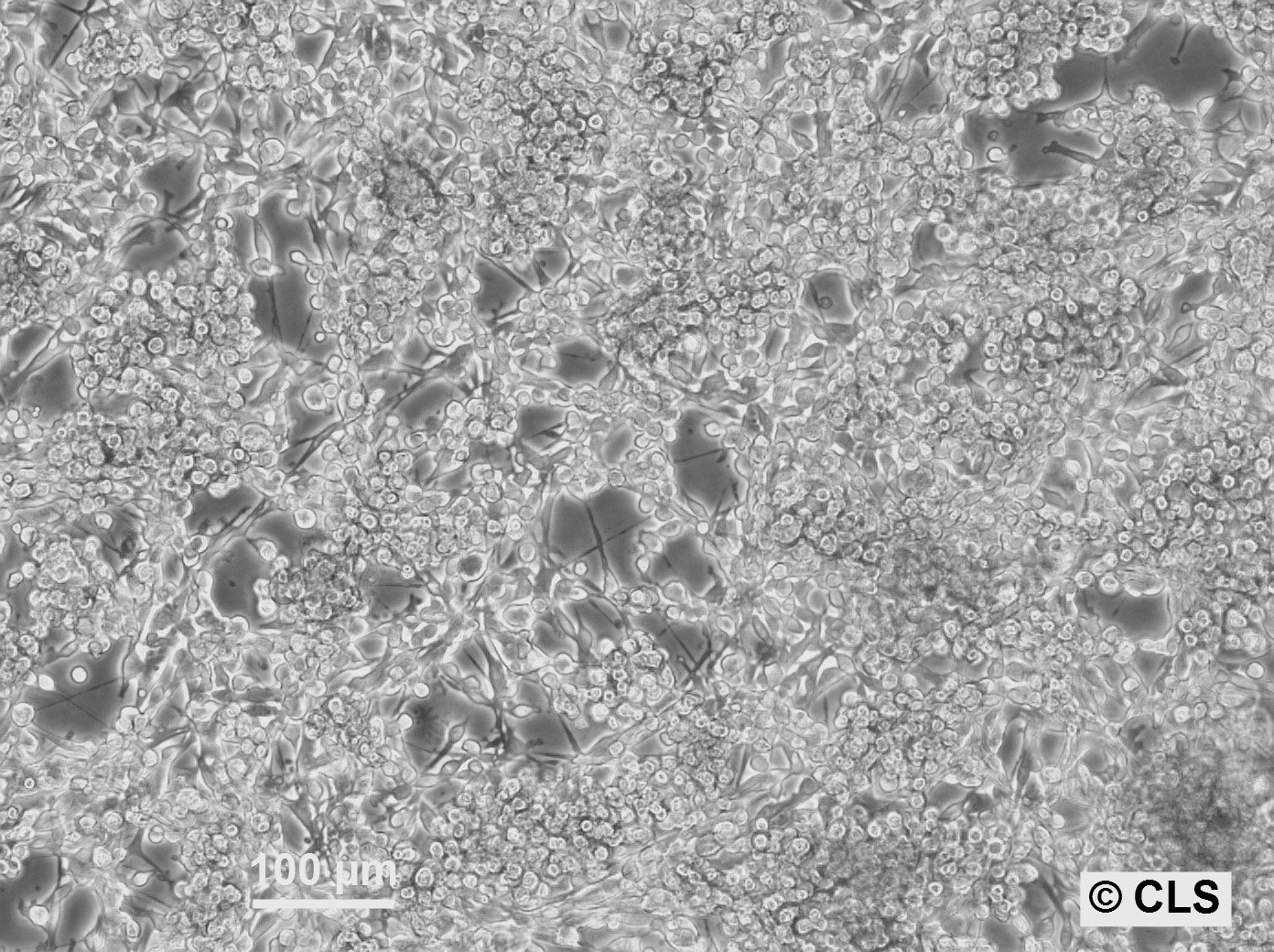
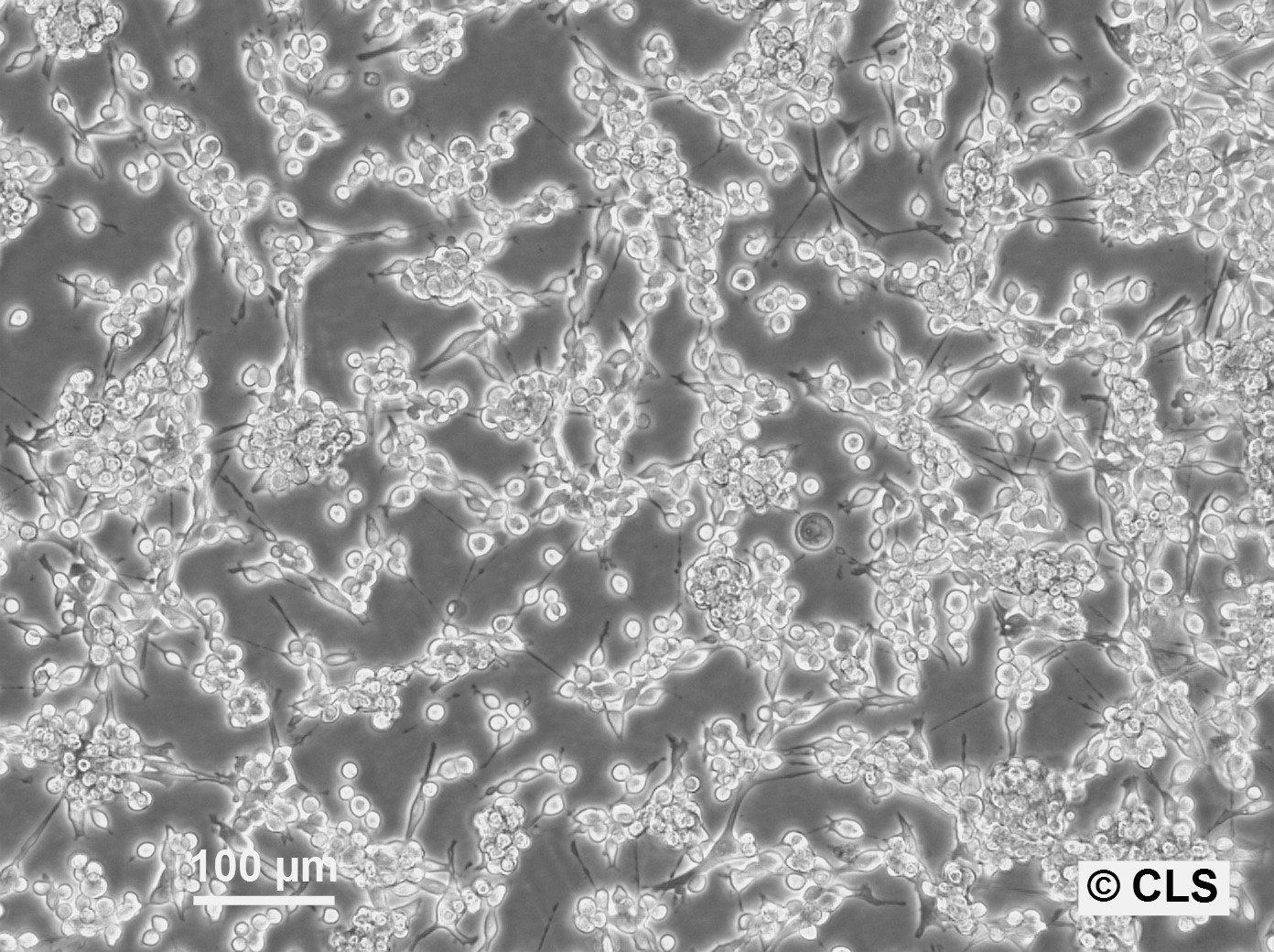
| Morphology | Fibroblast-like |
| Cell type | Spindle cells |
| Growth properties | Adherent |
Regulatory Data
| Citation | CLS-138 (Cytion catalog number 400177) |
|---|---|
| Biosafety level | 1 |
| NCBI_TaxID | 10090 |
| CellosaurusAccession | CVCL_5726 |
Biomolecular Data
| Tumorigenic | Yes, in mice |
|---|
Handling
| Culture Medium | DMEM, w: 4.5 g/L Glucose, w: 4 mM L-Glutamine, w: 3.7 g/L NaHCO3, w: 1.0 mM Sodium pyruvate (Cytion article number 820300a) |
|---|---|
| Supplements | Supplement the medium with 10% FBS |
| Dissociation Reagent | Accutase |
| Subculturing | Remove the old medium from the adherent cells and wash them with PBS that lacks calcium and magnesium. For T25 flasks, use 3-5 ml of PBS, and for T75 flasks, use 5-10 ml. Then, cover the cells completely with Accutase, using 1-2 ml for T25 flasks and 2.5 ml for T75 flasks. Let the cells incubate at room temperature for 8-10 minutes to detach them. After incubation, gently mix the cells with 10 ml of medium to resuspend them, then centrifuge at 300xg for 3 minutes. Discard the supernatant, resuspend the cells in fresh medium, and transfer them into new flasks that already contain fresh medium. |
| Seeding density | 2 x 10⁴ cells/cm2 will yield in a confluent layer in about 2 days |
| Fluid renewal | Every 3 to 5 days |
| Post-Thaw Recovery | After thawing, plate the cells at 5 x 10⁴ cells/cm2 and allow the cells to recover from the freezing process and to adhere for at least 24 hours. |
| Freeze medium | As a cryopreservation medium, we use complete growth medium (including FBS) + 10% DMSO for adequate post-thaw viability, or CM-1 (Cytion catalog number 800100), which includes optimized osmoprotectants and metabolic stabilizers to enhance recovery and reduce cryo-induced stress. |
| Thawing and Culturing Cells |
|
| Incubation Atmosphere | 37°C, 5% CO2, humidified atmosphere. |
| Flask Coating | None |
| Shipping Conditions | Cryopreserved cell lines are shipped on dry ice in validated, insulated packaging with sufficient refrigerant to maintain approximately −78 °C throughout transit. On receipt, inspect the container immediately and transfer vials without delay to appropriate storage. |
| Storage Conditions | For long-term preservation, place vials in vapor-phase liquid nitrogen at about −150 to −196 °C. Storage at −80 °C is acceptable only as a short interim step before transfer to liquid nitrogen. |
Quality Control & Molecular Analysis
| Sterility | Mycoplasma contamination is excluded using both PCR-based assays and luminescence-based mycoplasma detection methods. To ensure there is no bacterial, fungal, or yeast contamination, cell cultures are subjected to daily visual inspections. |
|---|