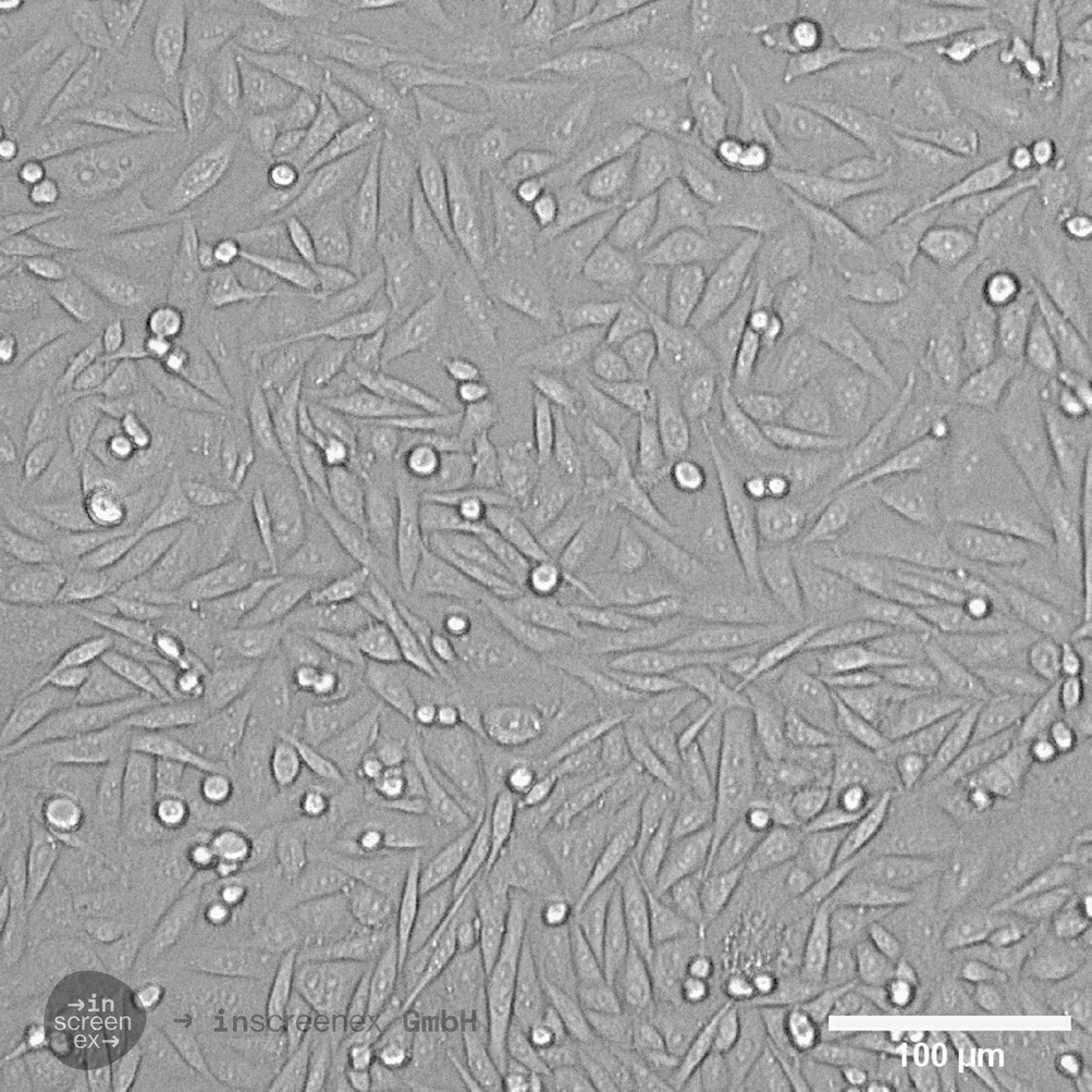
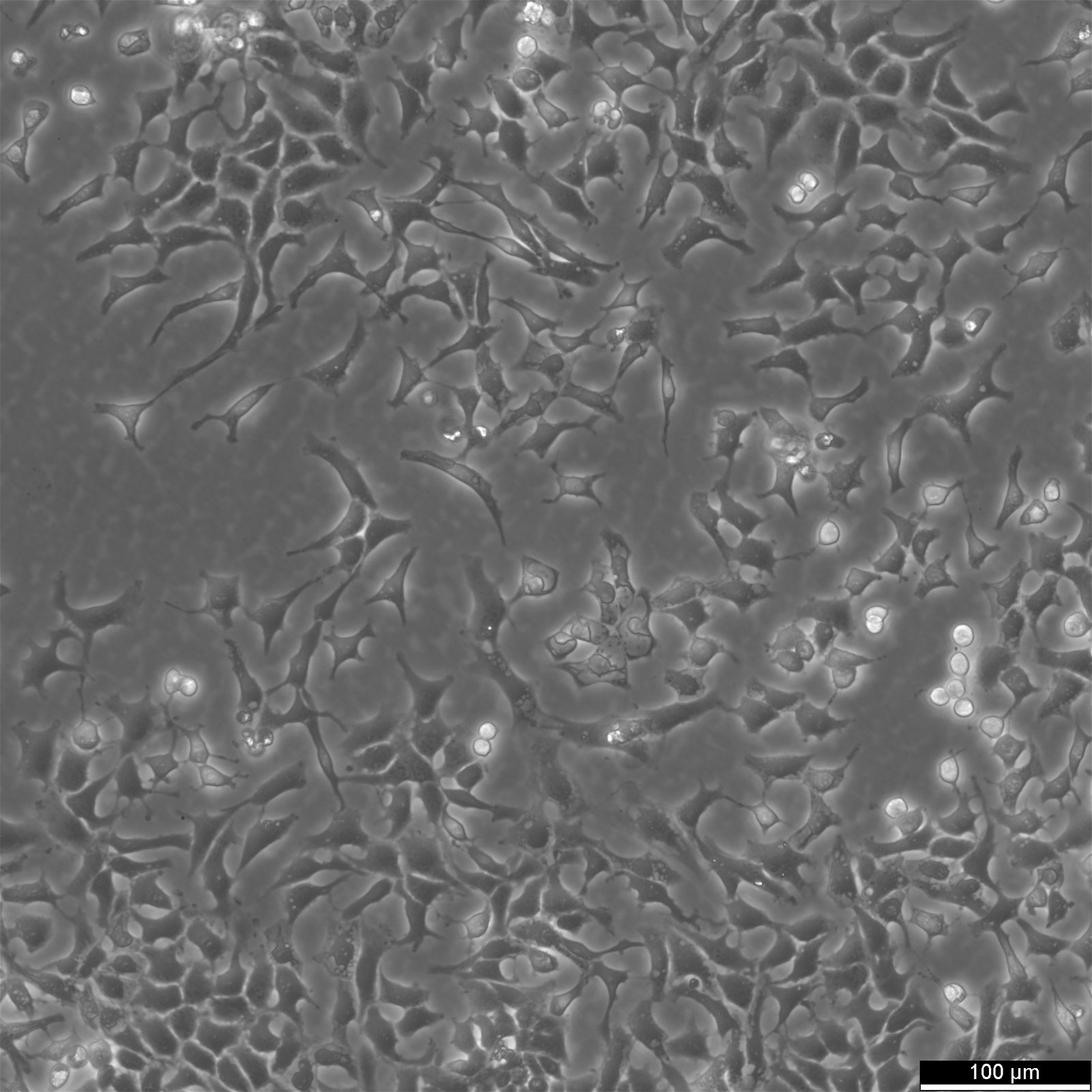
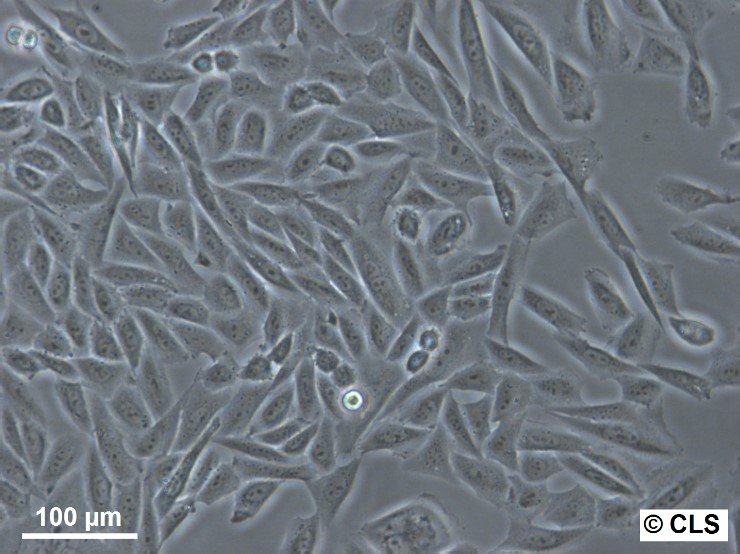
CHO-CD20 Cells
CAD$2,622.00*
Products are shipped frozen on dry ice in cryotubes. Each cryotube typically contains 3 × 10⁶ cells for adherent lines or 5 × 10⁶ cells for suspension lines (refer to the batch CoA for details).
General information
| Description | Disclaimer: The prices displayed for cell lines are exclusively for academic/not-for-profit customers. For commercial entitites the price is approximately €6,250. CHO-CD20 cells are recombinant Chinese hamster ovary (CHO) cells engineered to stably express human CD20 (MS4A1), a non-glycosylated transmembrane phosphoprotein primarily found on the surface of B lymphocytes. CD20 functions in B-cell activation, proliferation, calcium signaling, and differentiation, and is widely recognized as an important therapeutic target in B-cell malignancies such as non-Hodgkin lymphoma, chronic lymphocytic leukemia, and certain autoimmune disorders. Stable CHO-CD20 models provide controlled and reproducible antigen expression for in vitro characterization of CD20-targeted therapeutics and immune effector mechanisms. CHO-CD20 cells are extensively used in the development and evaluation of monoclonal antibodies, antibody-drug conjugates, bispecific antibodies, and engineered immune cell therapies directed against CD20. These cells support quantitative analysis of antibody binding affinity, receptor occupancy, internalization behavior, complement-dependent cytotoxicity (CDC), antibody-dependent cellular cytotoxicity (ADCC), and Fc-mediated immune activation. They are also widely applied in flow cytometry assay development, epitope mapping, potency testing, and high-throughput screening workflows. Because CHO cells exhibit robust growth characteristics and limited endogenous expression of human immune antigens, they provide a consistent background for recombinant CD20 expression and assay standardization. |
|---|---|
| Organism | Chinese hamster |
| Tissue | Ovary |
Characteristics
| Age | Adult |
|---|---|
| Gender | Female |
| Morphology | Epithelial-like |
| Cell type | Epithelial cell of ovary |
| Growth properties | Adherent/suspension |
Regulatory Data
| Citation | CHO-CD20 (Cytion catalog number 305976) |
|---|---|
| Biosafety level | 1 |
| NCBI_TaxID | 10029 |
| CellosaurusAccession | CVCL_A8V4 |
Biomolecular Data
| Receptors expressed | CD20 |
|---|
Handling
| Culture Medium | For adherent cultures: DMEM:Ham's F12 (1:1), w: 3.1 g/L Glucose, w: 2.5 mM L-Glutamine, w: 15 mM HEPES, w: 0.5 mM Sodium pyruvate, w: 1.2 g/L NaHCO3 (Cytion article number 820400a) For suspension cultures: CHO Growth Medium A (from InSCREENeX; InSCREENeX catalog number INS-ME-1039) |
|---|---|
| Supplements | For adherent cultures: Supplement the medium with 5% FBS. Add Geneticin (G418-Sulfat) to achieve a final concentration of 0.5 mg/mL. |
| Dissociation Reagent | For adherent cultures: Trypsin-EDTA |
| Subculturing | For routine adherent cell culture: Aspirate the old culture medium from the adherent cells, and wash them with PBS to remove any remaining medium. After aspirating the PBS, add the appropriate volume of Trypsin/EDTA solution based on the culture vessel size (e.g., 1 ml for a T25 flask, 3 ml for a T75 flask) and incubate at room temperature or 37°C for 5-10 minutes, or until the cells detach. Monitor detachment under a microscope, and gently tap the vessel if necessary to release the cells. Once detached, add complete medium to inactivate the Trypsin/EDTA, gently resuspend the cells, and transfer an aliquot of the cell suspension into a new culture vessel containing fresh medium. Place the vessel in an incubator set to 37°C with 5% CO2, and change the medium every 2-3 days. |
| Fluid renewal | 2 to 3 times per week |
| Post-Thaw Recovery | After thawing, split the cells at a ratio of 1:2 to 1:3 in T25 flasks and allow the cells to recover from the freezing process and to adhere (for adherent cultures) for at least 24 hours. |
| Freeze medium | As a cryopreservation medium, we use complete growth medium (including FBS) + 10% DMSO for adequate post-thaw viability, or CM-1 (Cytion catalog number 800100), which includes optimized osmoprotectants and metabolic stabilizers to enhance recovery and reduce cryo-induced stress. |
| Thawing and Culturing Cells |
|
| Incubation Atmosphere | 37°C, 5% CO2, humidified atmosphere. |
| Shipping Conditions | Cryopreserved cell lines are shipped on dry ice in validated, insulated packaging with sufficient refrigerant to maintain approximately −78 °C throughout transit. On receipt, inspect the container immediately and transfer vials without delay to appropriate storage. |
| Storage Conditions | For long-term preservation, place vials in vapor-phase liquid nitrogen at about −150 to −196 °C. Storage at −80 °C is acceptable only as a short interim step before transfer to liquid nitrogen. |
Quality Control & Molecular Analysis
| Sterility | Mycoplasma contamination is excluded using both PCR-based assays and luminescence-based mycoplasma detection methods. To ensure there is no bacterial, fungal, or yeast contamination, cell cultures are subjected to daily visual inspections. |
|---|
-
Related products
Related products
CHO-CXCR4 Cells (medium-high)Variants: Medium-highOrganism Chinese hamster Tissue Ovary CAD$3,100.00*CHO-CXCR7 Cells (medium-high)Variants: Medium-highOrganism Chinese hamster Tissue Ovary CAD$3,100.00*