
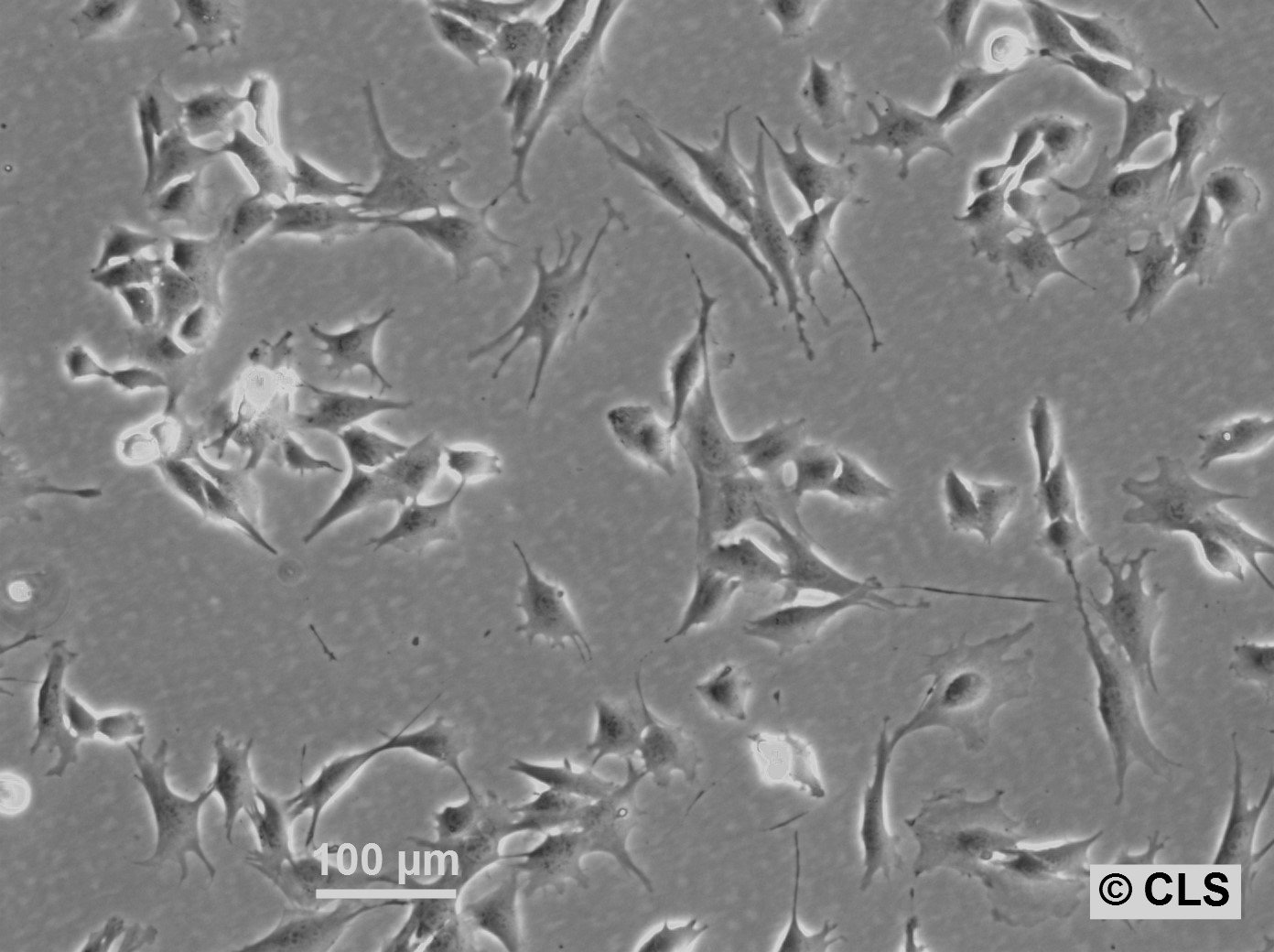
C2C12 Cells
CAD$545.10*
Products are shipped frozen on dry ice in cryotubes. Each cryotube typically contains 3 × 10⁶ cells for adherent lines or 5 × 10⁶ cells for suspension lines (refer to the batch CoA for details).
Advancements in Muscle Research Through C2C12 Myotubes
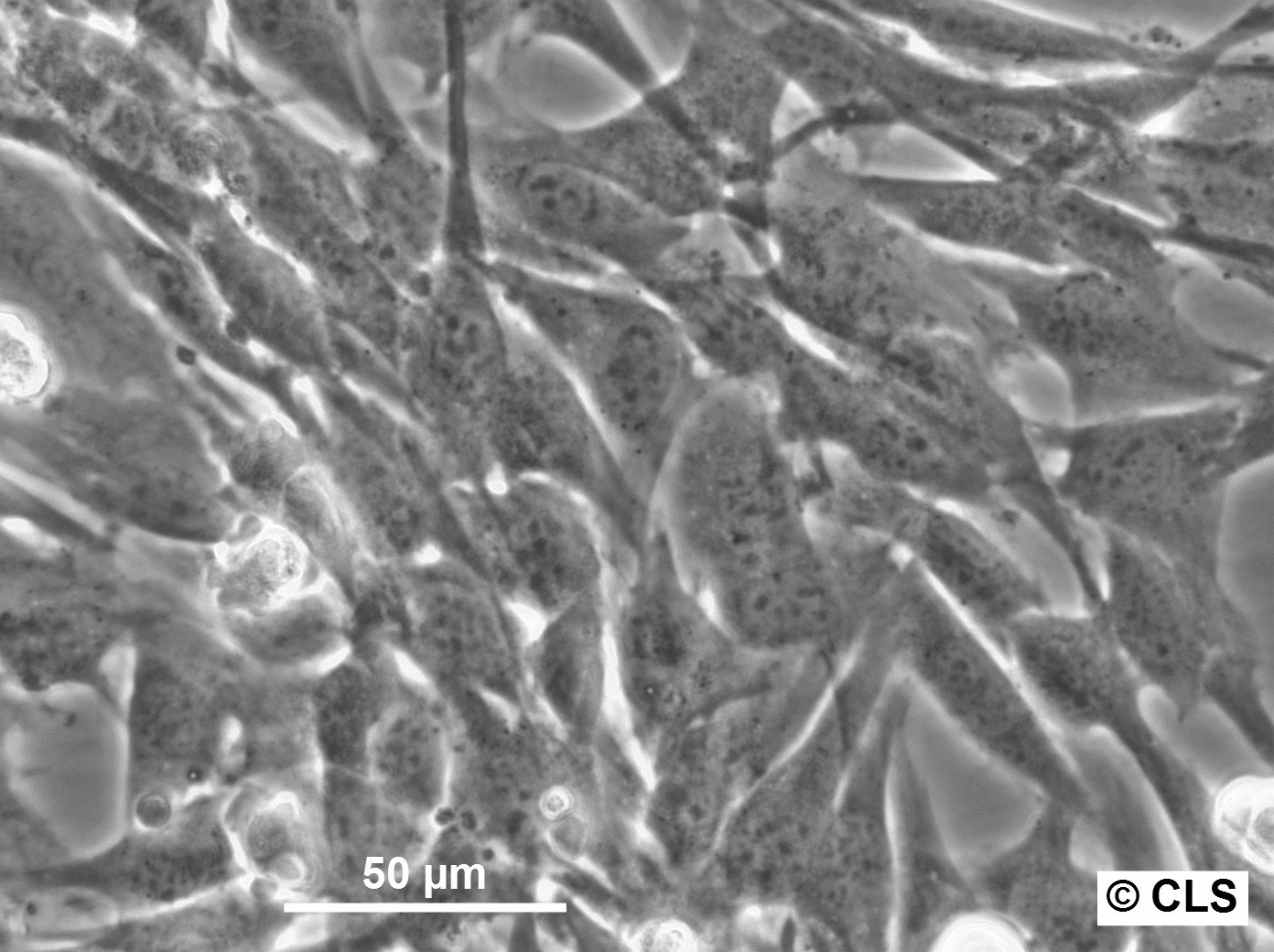
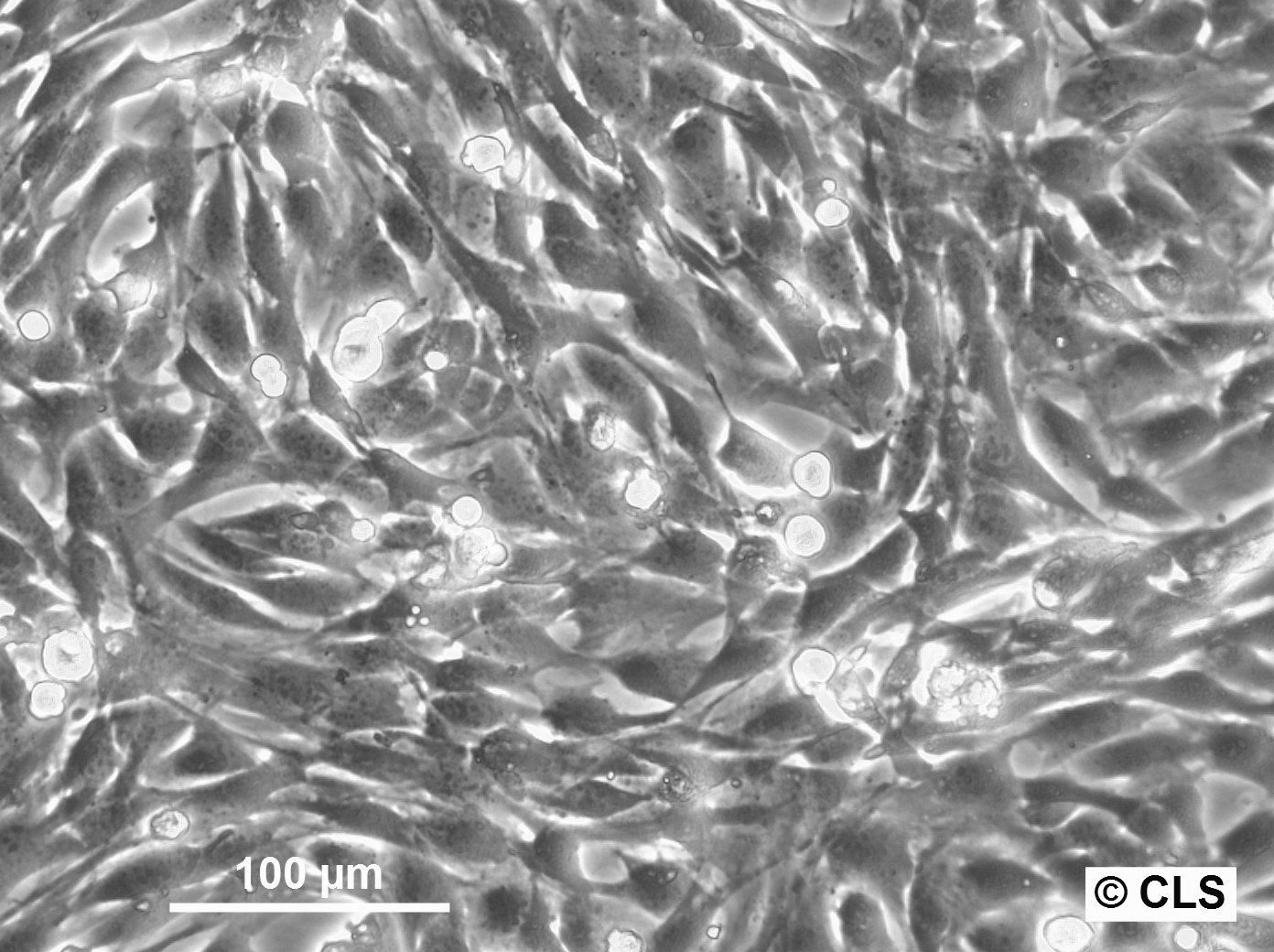
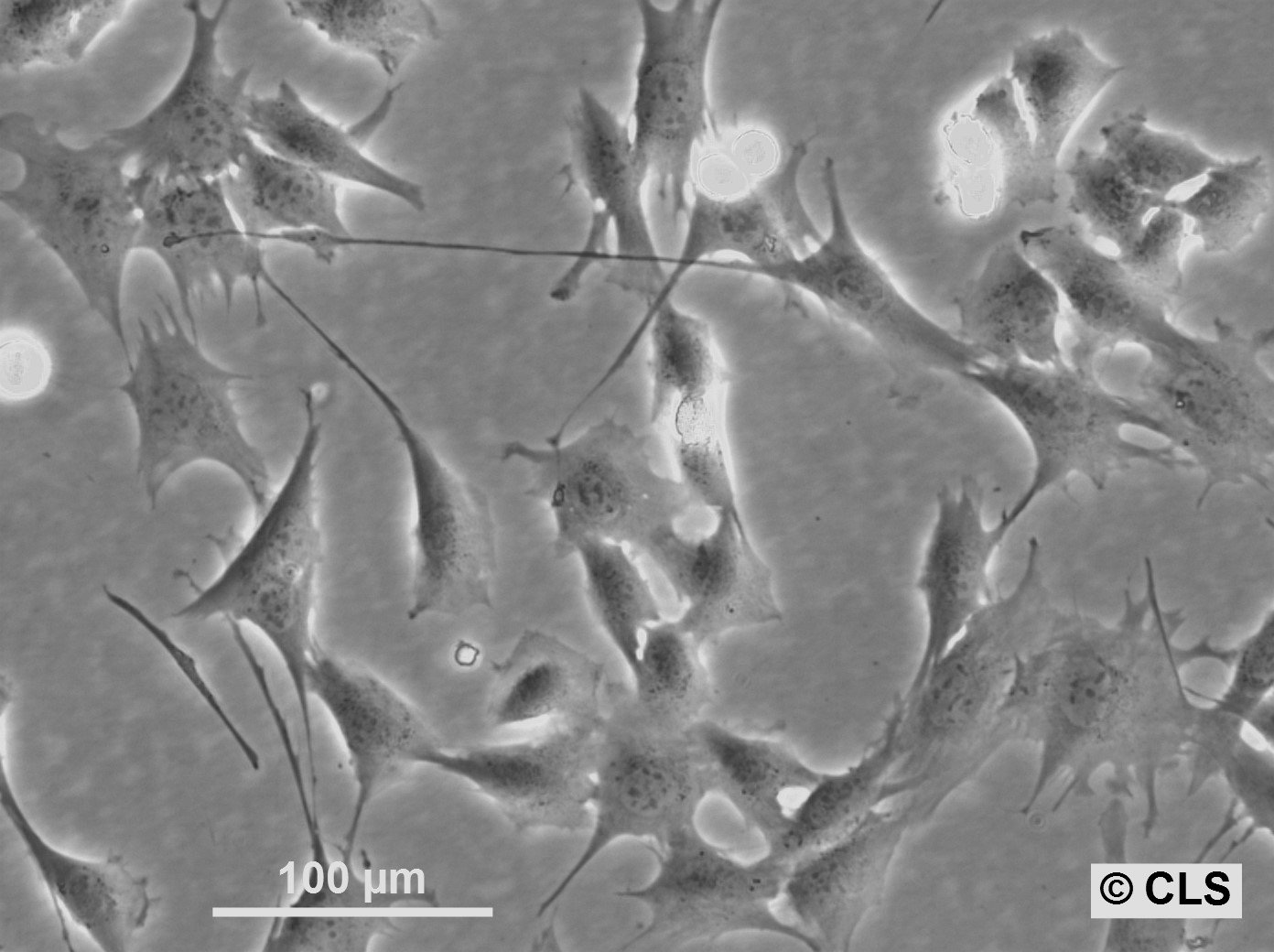
| Description | The C2C12 cell line, an immortalized mouse myoblast cell line derived from the thigh muscle of a 2-month-old mouse of the C3H mouse strain, is extensively utilized in biomedical research for its unique cell differentiation properties. C2C12 myoblast cells proliferate rapidly and exhibit typical myoblast characteristics under high serum conditions. Upon shifting to low serum conditions or starvation, C2C12 cells initiate myogenic differentiation, transitioning into myotubes, which are precursors to contractile skeletal muscle cells. C2C12 cells incorporate exogenous cDNA and nucleic acids through transfection easily, making them a good choice for gene expression studies and investigations into myoblasts and myotubes differentiation. The differentiation process is marked by the expression of myogenic markers such as Myf5, MyoD, Myogenin, and Mrf4, alongside muscle-specific markers like Csrp3 and Mef2a, which are essential in studying different muscle phenotypes and skeletal muscle regeneration. The unique shape of C2C12 myoblasts and their transformation into myoblast cell rings and subsequently into mature myotubes in serum-supplemented media underscore the dynamic nature of these cells and their potential in skeletal muscle research. Researchers use substrates like gelatin hydrogels for C2C12 cell cultures to simulate in vivo muscle conditions, enabling detailed studies of muscle cell development and extracellular matrix effects. Metabolic profiling reveals key insights into the pathways involved in muscle formation and recovery, focusing on essential proteins and calcium's role in contraction. Gene silencing techniques further illuminate the differentiation process, highlighting the significance of SMAD1 phosphorylation in muscle regeneration, crucial for understanding recovery in muscle wasting and injury. In summary, the C2C12 cell line serves as a critical tool in the realm of biomedical research, offering a versatile platform for exploring the intricacies of muscle formation, differentiation, gene expression, and the profound impact of various factors on the skeletal muscle cell lineage, including the pivotal role of myofilaments, intermediate filament proteins, and the overall organismal context in which these cellular processes unfold. |
|---|---|
| Organism | Mouse |
| Tissue | Muscle |
| Applications | Transfection host |
| Synonyms | C2c12, C2-C12, C12 |
Properties
| Breed/Subspecies | C3H |
|---|---|
| Age | 2 months |
| Gender | Female |
| Morphology | Myoblast-like |
| Cell type | Myoblast |
| Growth properties | Adherent |
Specification
| Citation | C2C12 (Cytion catalog number 400476) |
|---|---|
| Biosafety level | 1 |
| NCBI_TaxID | 10090 |
| CellosaurusAccession | CVCL_0188 |
Genetic profile of the C2C12 mouse cell line
Culturing methods
| Culture Medium | RPMI 1640, w: 2.0 mM stable Glutamine, w: 2.0 g/L NaHCO3 (Cytion article number 820700a) |
|---|---|
| Supplements | Supplement the medium with 10% FBS |
| Dissociation Reagent | Accutase |
| Doubling time | 24 hours |
| Subculturing | Remove the old medium from the adherent cells and wash them with PBS that lacks calcium and magnesium. For T25 flasks, use 3-5 ml of PBS, and for T75 flasks, use 5-10 ml. Then, cover the cells completely with Accutase, using 1-2 ml for T25 flasks and 2.5 ml for T75 flasks. Let the cells incubate at room temperature for 8-10 minutes to detach them. After incubation, gently mix the cells with 10 ml of medium to resuspend them, then centrifuge at 300xg for 3 minutes. Discard the supernatant, resuspend the cells in fresh medium, and transfer them into new flasks that already contain fresh medium. |
| Seeding density | 1 x 10⁴ cells/cm2 will yield in a confluent layer in about 4 days |
| Fluid renewal | Every 3 to 5 days |
| Post-Thaw Recovery | After thawing, plate the cells at 5 x 10⁴ cells/cm2 and allow the cells to recover from the freezing process and to adhere for at least 24 hours. |
| Freeze medium | As a cryopreservation medium, we use complete growth medium (including FBS) + 10% DMSO for adequate post-thaw viability, or CM-1 (Cytion catalog number 800100), which includes optimized osmoprotectants and metabolic stabilizers to enhance recovery and reduce cryo-induced stress. |
| Thawing and Culturing Cells |
|
| Incubation Atmosphere | 37°C, 5% CO2, humidified atmosphere. |
| Shipping Conditions | Cryopreserved cell lines are shipped on dry ice in validated, insulated packaging with sufficient refrigerant to maintain approximately −78 °C throughout transit. On receipt, inspect the container immediately and transfer vials without delay to appropriate storage. |
| Storage Conditions | For long-term preservation, place vials in vapor-phase liquid nitrogen at about −150 to −196 °C. Storage at −80 °C is acceptable only as a short interim step before transfer to liquid nitrogen. |
Quality control on C2C12 cells
| Sterility | Mycoplasma contamination is excluded using both PCR-based assays and luminescence-based mycoplasma detection methods. To ensure there is no bacterial, fungal, or yeast contamination, cell cultures are subjected to daily visual inspections. |
|---|
Certificate of Analysis (CoA)
| Lot Number | Certificate Type | Date | Catalog Number |
|---|---|---|---|
| 400476-180324 | Certificate of Analysis | 23. May. 2025 | 400476 |
| 400476-1122 | Certificate of Analysis | 18. Aug. 2025 | 400476 |
| 400476-1122 | Certificate of Analysis | 23. May. 2025 | 400476 |
-
Related products
Related products
SiHa CellsOrganism Human Tissue Cervix Disease Human papillomavirus-related cervical squamous cell carcinoma CAD$545.10*