
BHT101 Cells
CAD$545.10*
Products are shipped frozen on dry ice in cryotubes. Each cryotube typically contains 3 × 10⁶ cells for adherent lines or 5 × 10⁶ cells for suspension lines (refer to the batch CoA for details).
General information
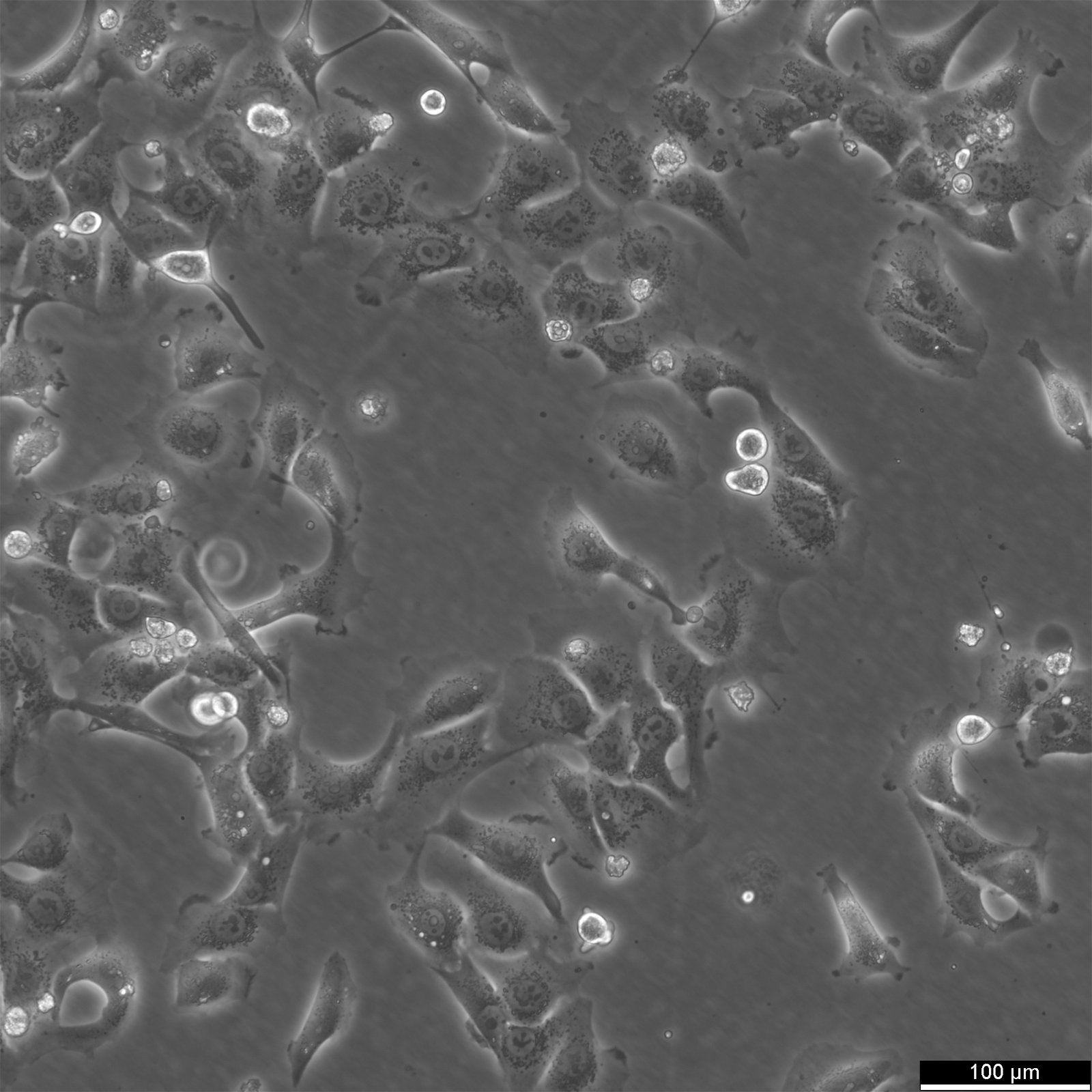
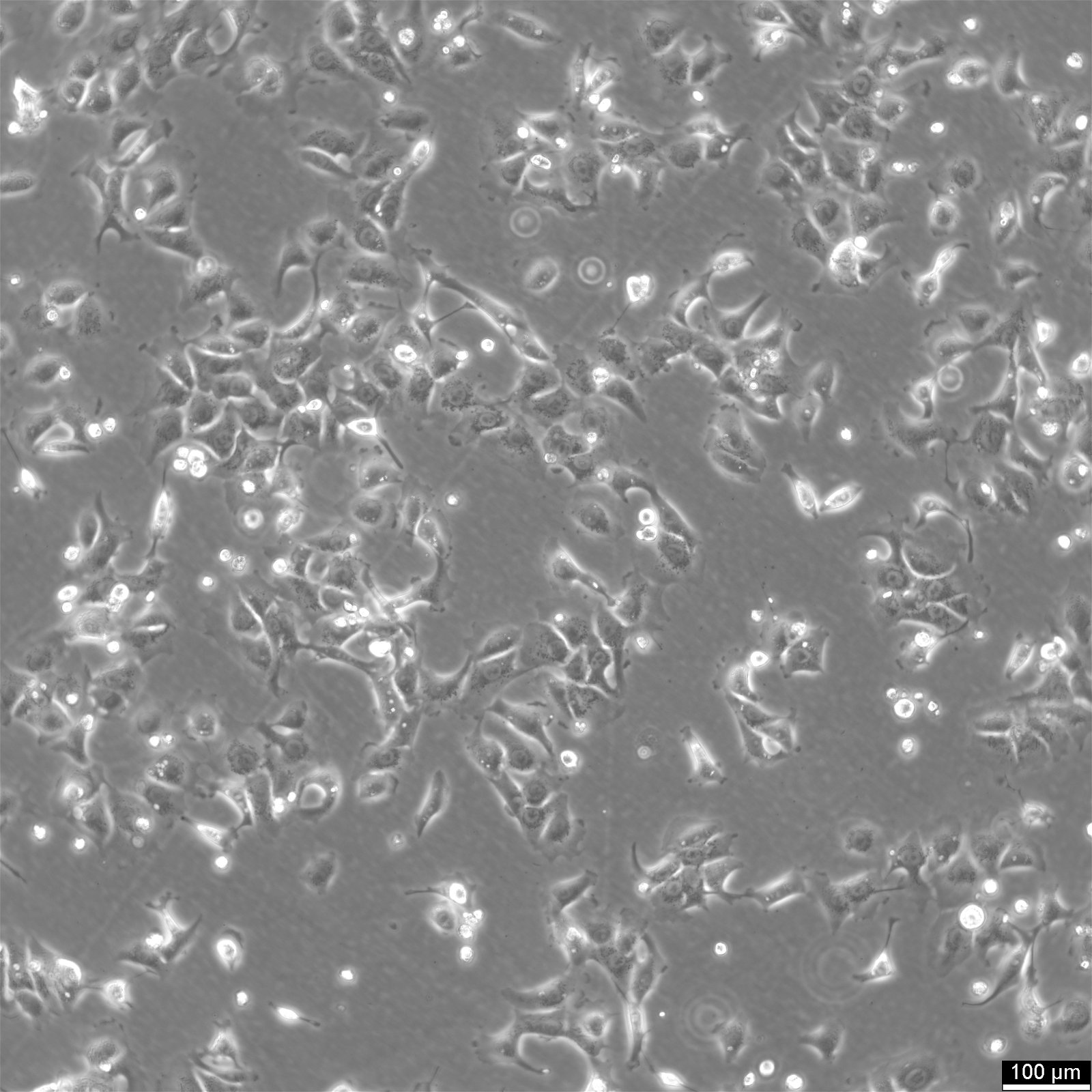
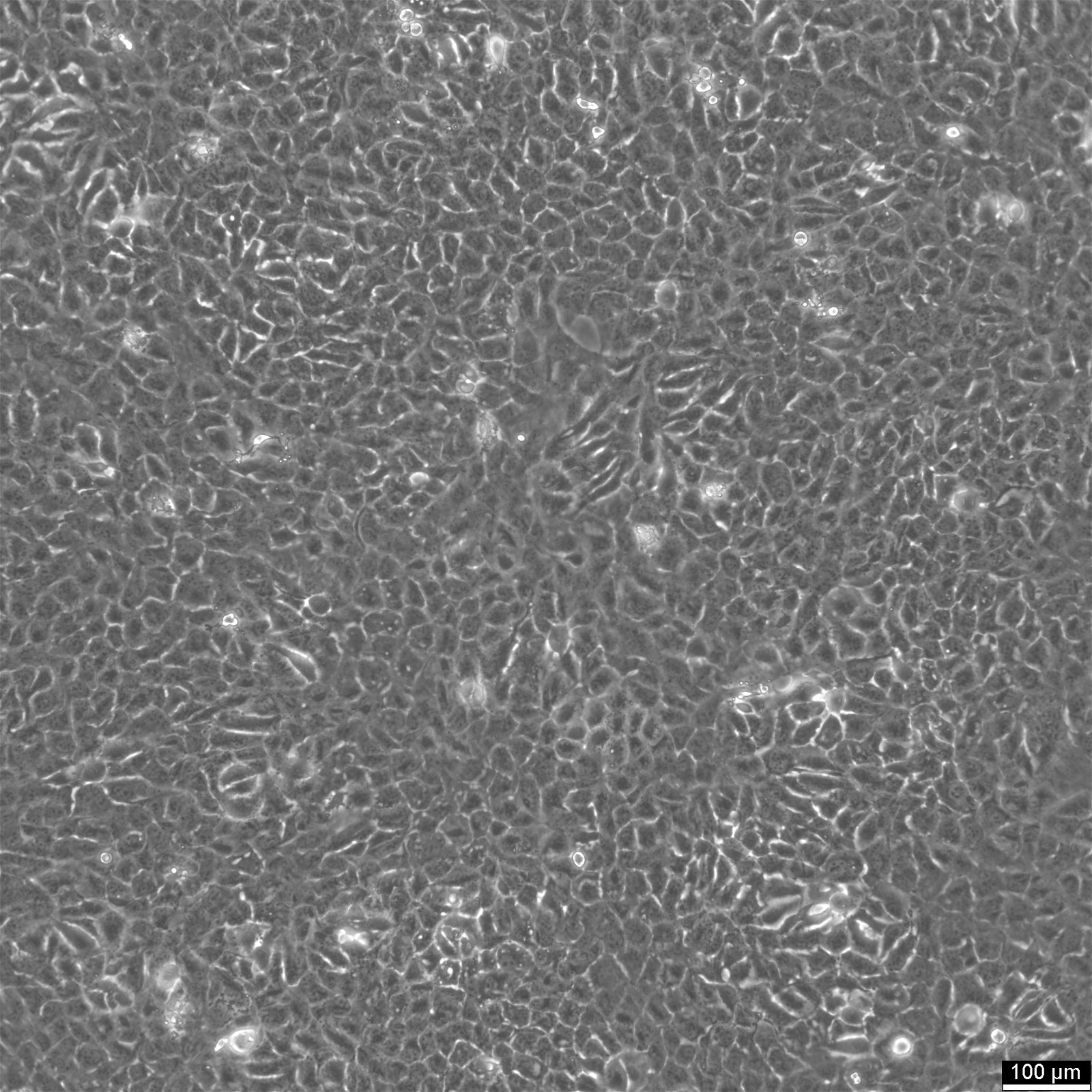
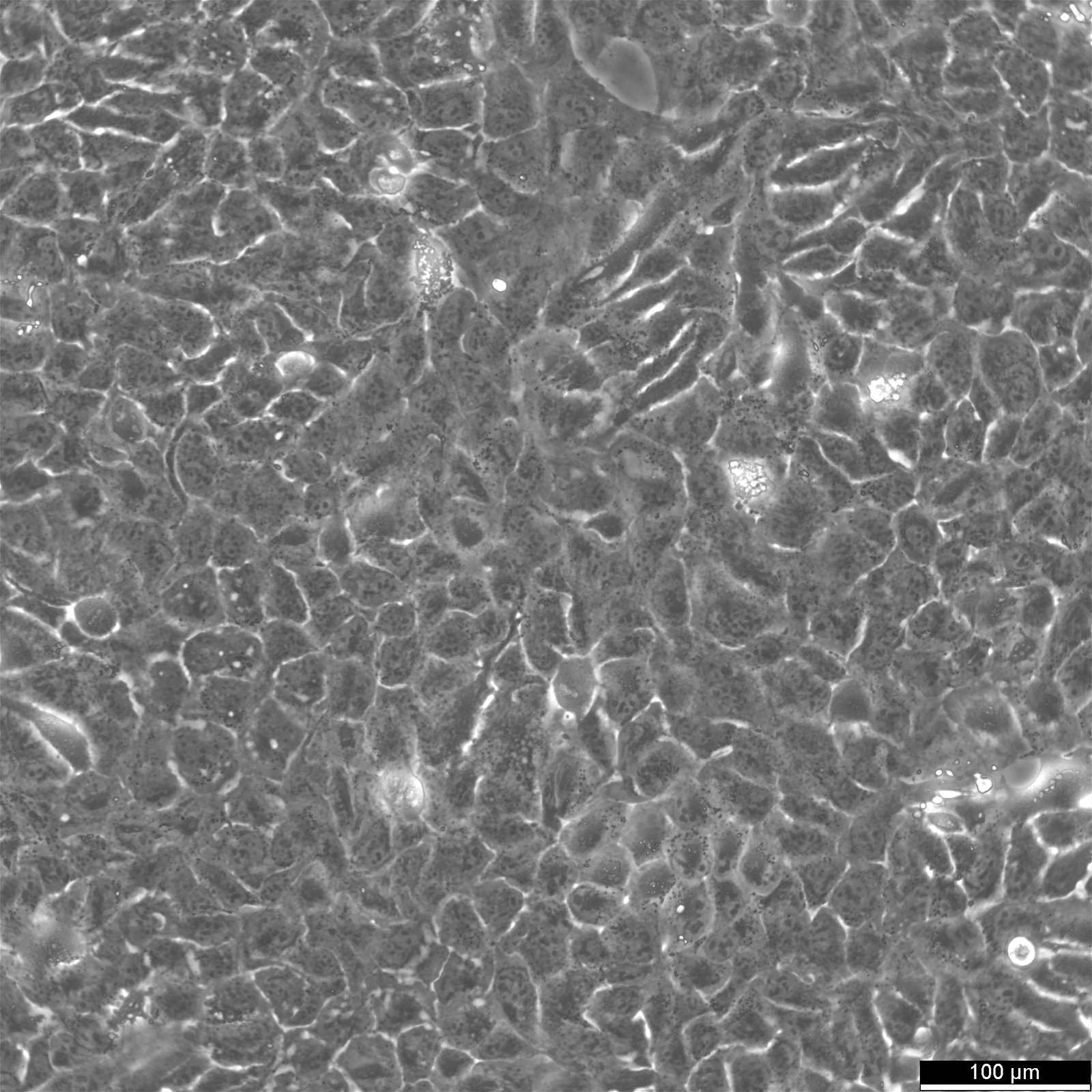
| Description | The BHT101 cell line is derived from the lymph node metastasis of a 63-year-old woman diagnosed with anaplastic papillary thyroid carcinoma. This cell line is established from a highly aggressive and lethal form of thyroid cancer, known for its rapid progression and poor prognosis. BHT101 cells are notable for their lack of hormone production, which is typical for cells originating from anaplastic thyroid carcinoma, as these cells often lose the ability to synthesize thyroid hormones that are characteristic of more differentiated thyroid tissues. In terms of biomarker expression, BHT101 cells are partially positive for thyroglobulin and thyroxine (T4). Thyroglobulin is a precursor glycoprotein critical for the production of the thyroid hormones T3 and T4 and is commonly used as a tumor marker in differentiating thyroid cancer types. The presence of thyroglobulin in BHT101 cells, even if only partial, is significant for research focused on thyroid cancer pathology and the molecular mechanisms underlying dedifferentiation in thyroid carcinomas. This cell line's unique profile makes it a valuable model for studying the progression and metastatic behavior of anaplastic thyroid carcinoma, providing insights into the molecular alterations that drive these processes. |
|---|---|
| Organism | Human |
| Tissue | Thyroid |
| Disease | Anaplastic thyroid carcinoma |
| Metastatic site | Lymph node |
| Synonyms | BHT-101 |
Characteristics
| Age | 63 years |
|---|---|
| Gender | Female |
| Ethnicity | European |
| Morphology | Epithelial |
| Growth properties | Adherent |
Regulatory Data
| Citation | BHT101 (Cytion catalog number 305112) |
|---|---|
| Biosafety level | 1 |
| NCBI_TaxID | 9606 |
| CellosaurusAccession | CVCL_1085 |
Biomolecular Data
Handling
| Culture Medium | MEM (We do not supply this product; please consider other suppliers. Please let us know if you need further assistance) |
|---|---|
| Supplements | Supplement the medium with 20% heat-inactivated FBS, 5 microgram/mL human insulin, 0.005 IU/mL TSH (from Scrippslabs) - Add the required TSH just before use and sterile filter into the medium |
| Dissociation Reagent | Accutase |
| Subculturing | Remove the old medium from the adherent cells and wash them with PBS that lacks calcium and magnesium. For T25 flasks, use 3-5 ml of PBS, and for T75 flasks, use 5-10 ml. Then, cover the cells completely with Accutase, using 1-2 ml for T25 flasks and 2.5 ml for T75 flasks. Let the cells incubate at room temperature for 8-10 minutes to detach them. After incubation, gently mix the cells with 10 ml of medium to resuspend them, then centrifuge at 300xg for 3 minutes. Discard the supernatant, resuspend the cells in fresh medium, and transfer them into new flasks that already contain fresh medium. |
| Fluid renewal | 2 to 3 times per week |
| Freeze medium | As a cryopreservation medium, we use complete growth medium (including FBS) + 10% DMSO for adequate post-thaw viability, or CM-1 (Cytion catalog number 800100), which includes optimized osmoprotectants and metabolic stabilizers to enhance recovery and reduce cryo-induced stress. |
| Thawing and Culturing Cells |
|
| Incubation Atmosphere | 37°C, 5% CO2, humidified atmosphere. |
| Shipping Conditions | Cryopreserved cell lines are shipped on dry ice in validated, insulated packaging with sufficient refrigerant to maintain approximately −78 °C throughout transit. On receipt, inspect the container immediately and transfer vials without delay to appropriate storage. |
| Storage Conditions | For long-term preservation, place vials in vapor-phase liquid nitrogen at about −150 to −196 °C. Storage at −80 °C is acceptable only as a short interim step before transfer to liquid nitrogen. |
Quality Control & Molecular Analysis
| Sterility | Mycoplasma contamination is excluded using both PCR-based assays and luminescence-based mycoplasma detection methods. To ensure there is no bacterial, fungal, or yeast contamination, cell cultures are subjected to daily visual inspections. |
|---|
Certificate of Analysis (CoA)
| Lot Number | Certificate Type | Date | Catalog Number |
|---|---|---|---|
| 305112-250823 | Certificate of Analysis | 23. May. 2025 | 305112 |