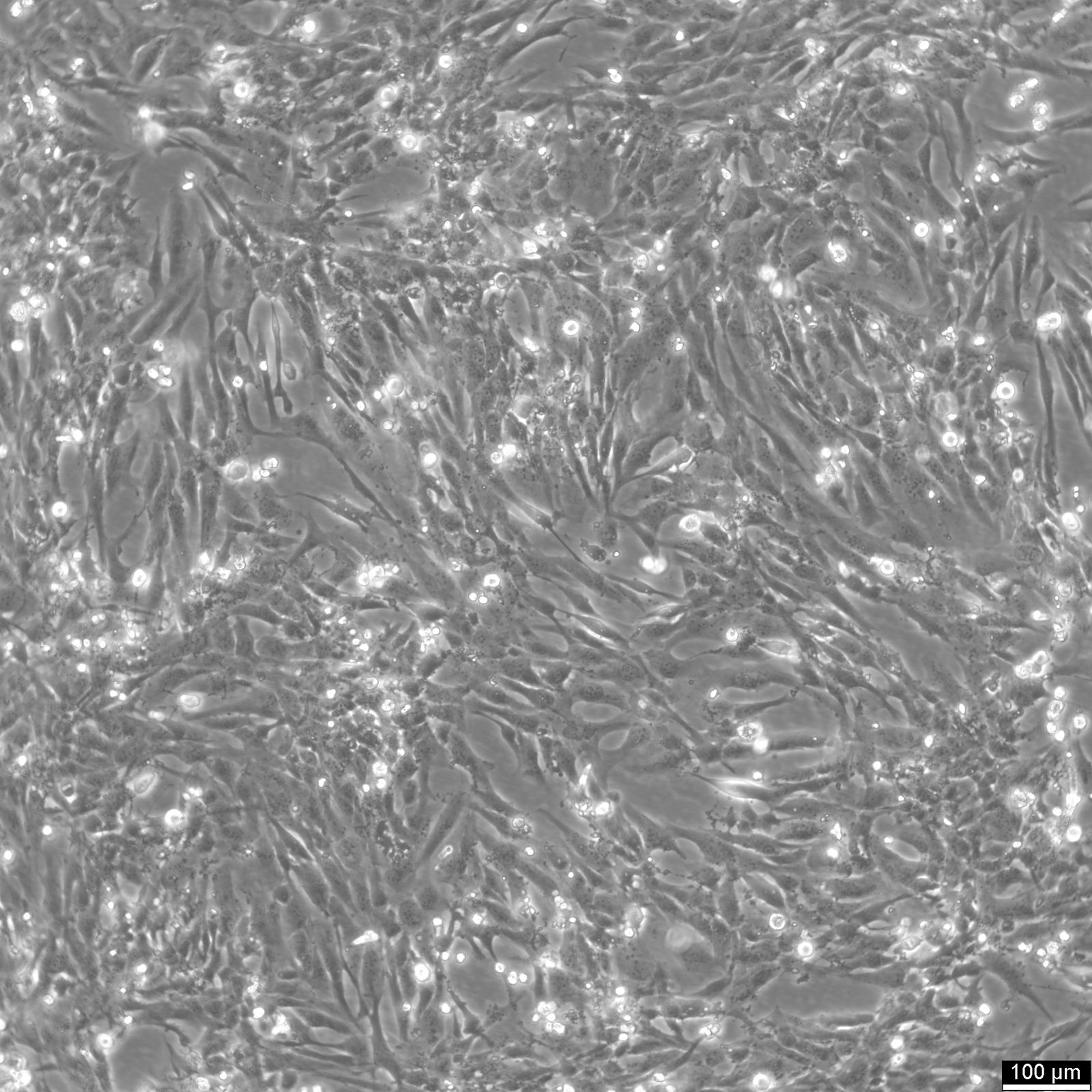
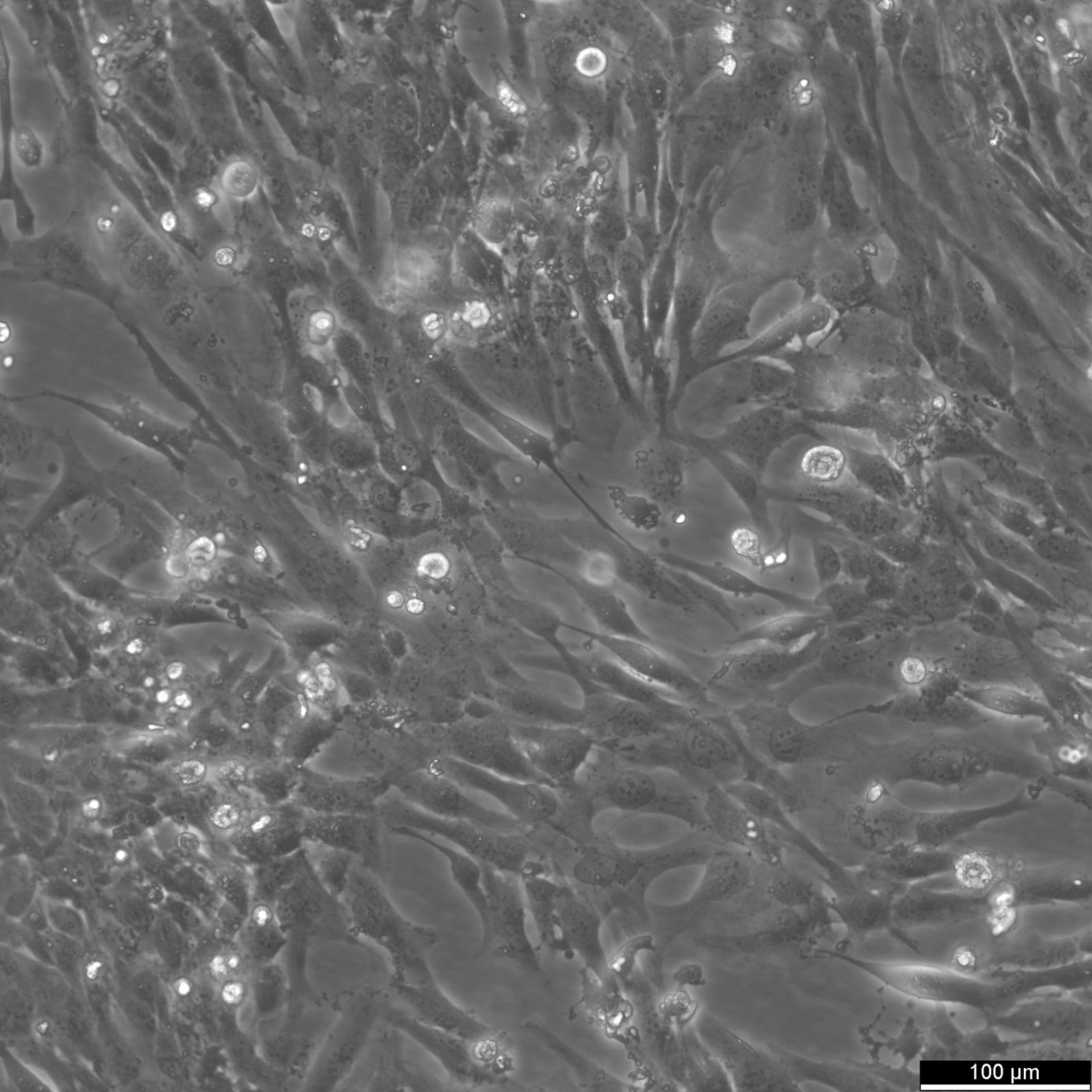
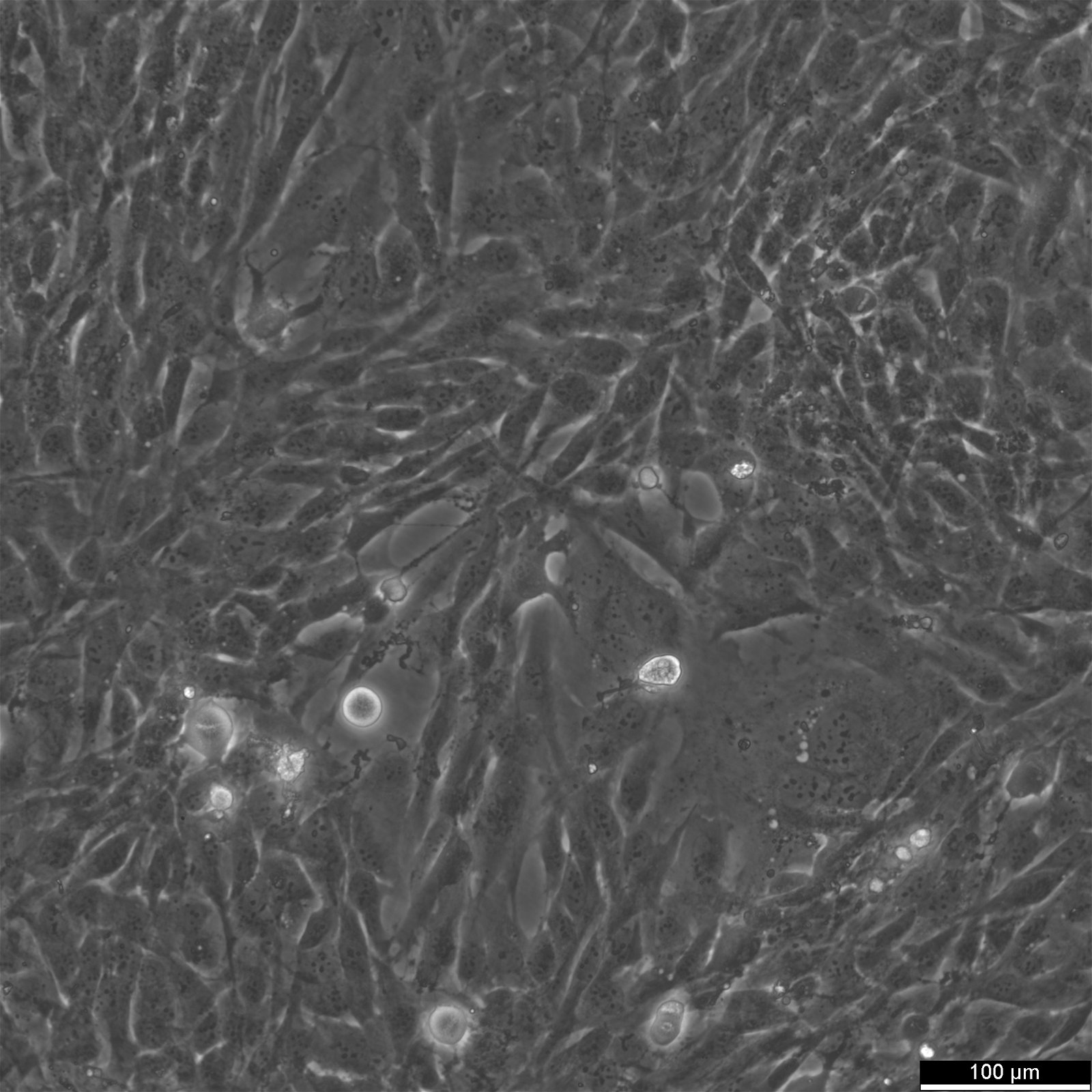
AC16 Cardiomyocyte Cell Line
CAD$897.00*
Products are shipped frozen on dry ice in cryotubes. Each cryotube typically contains 3 × 10⁶ cells for adherent lines or 5 × 10⁶ cells for suspension lines (refer to the batch CoA for details).
Insights on AC16 cells
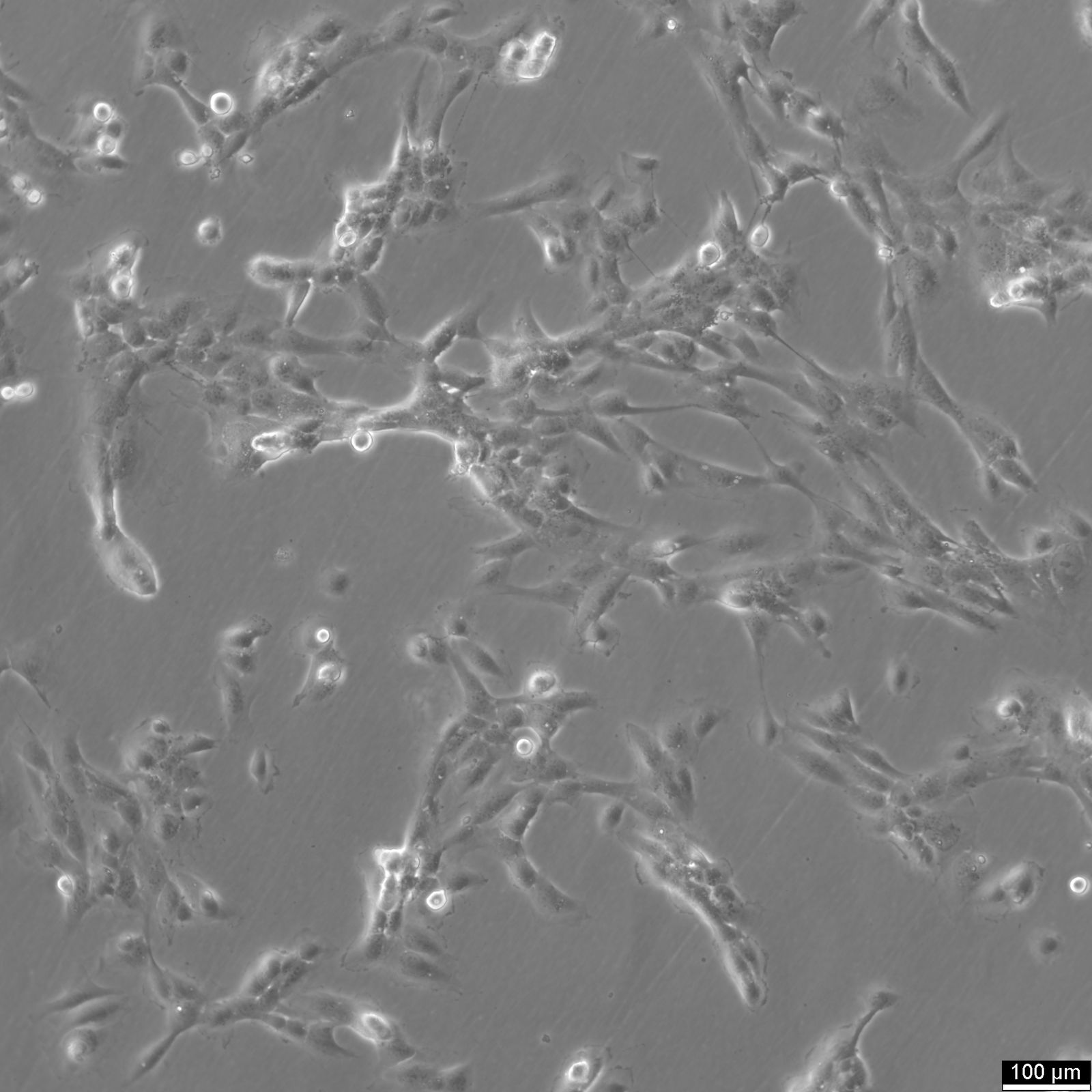
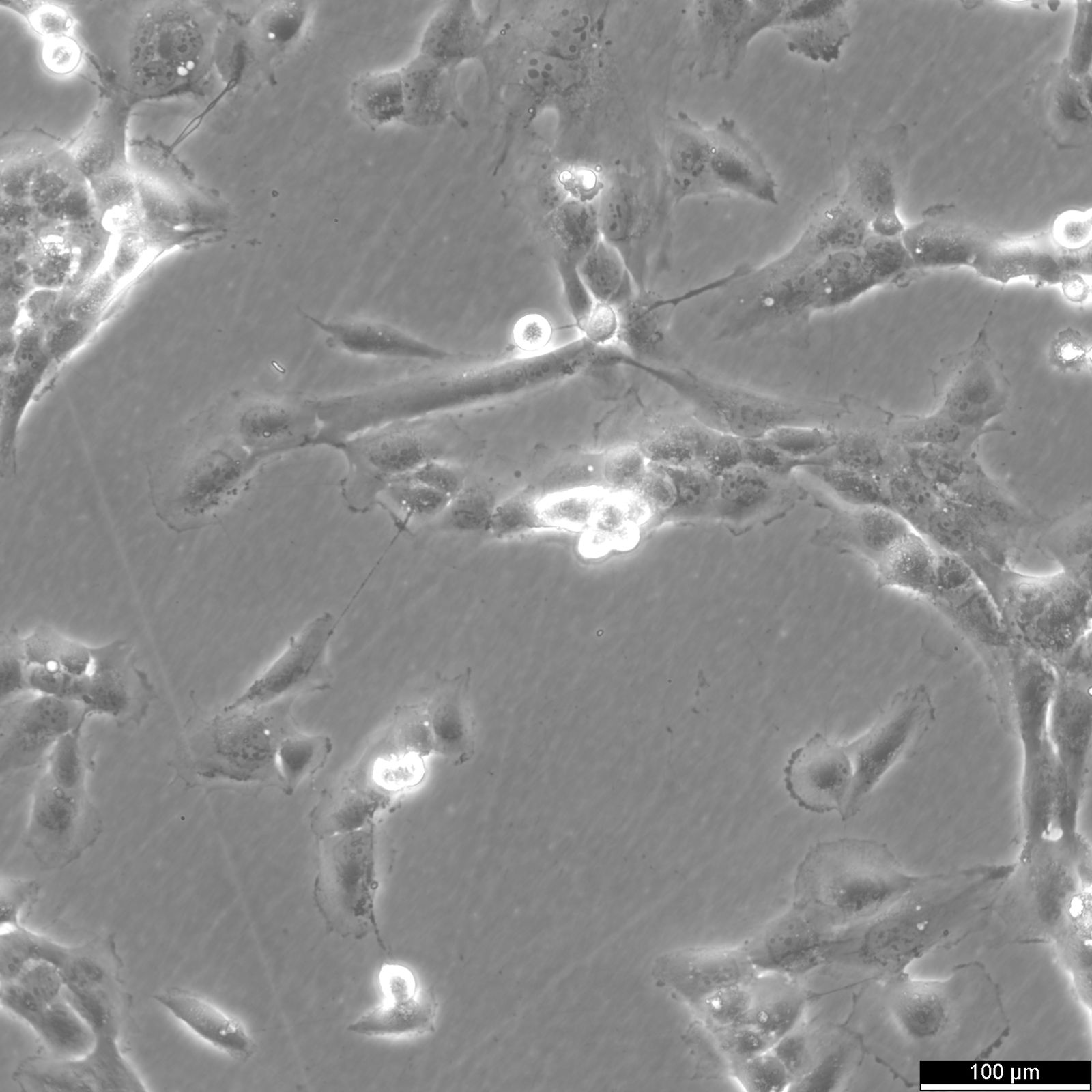
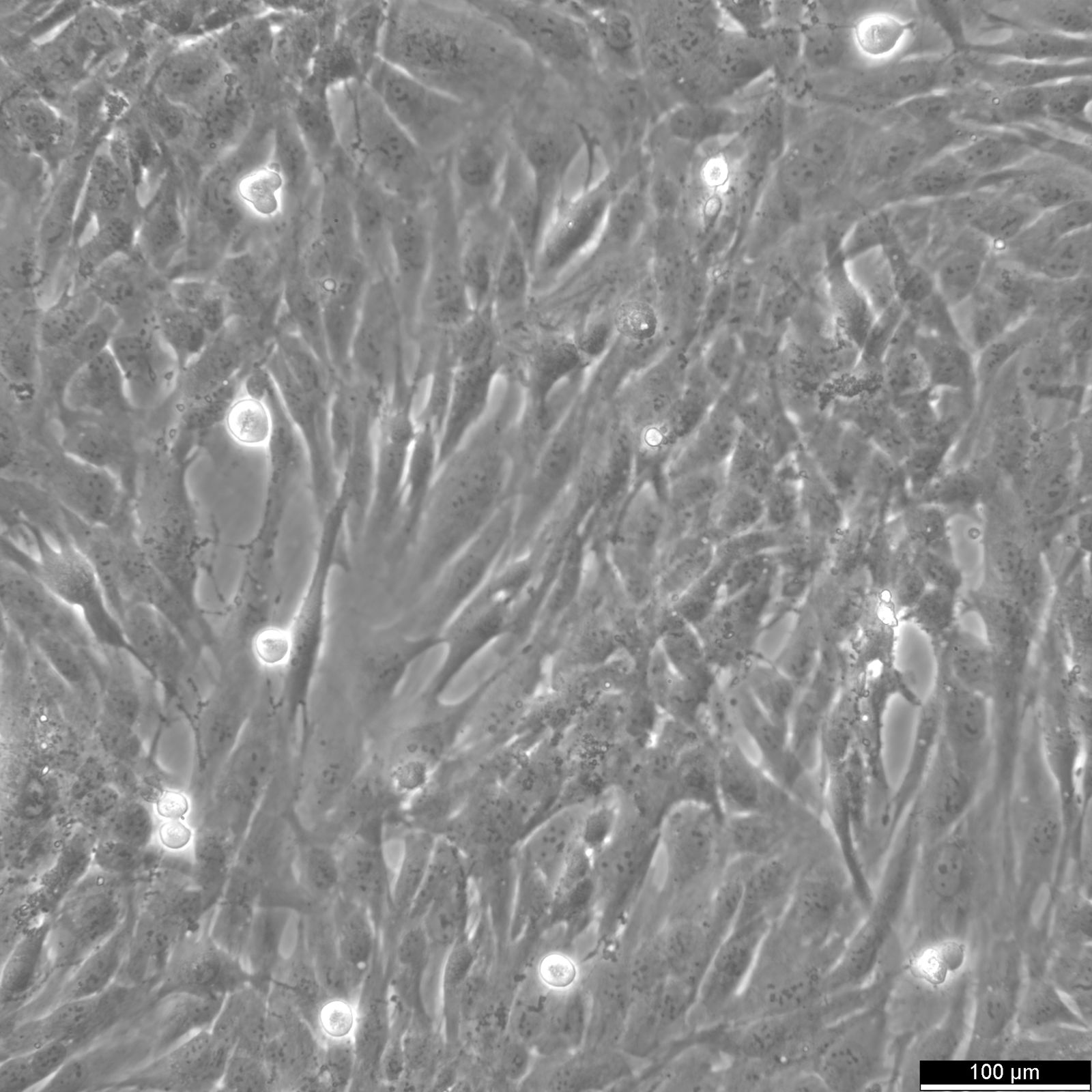
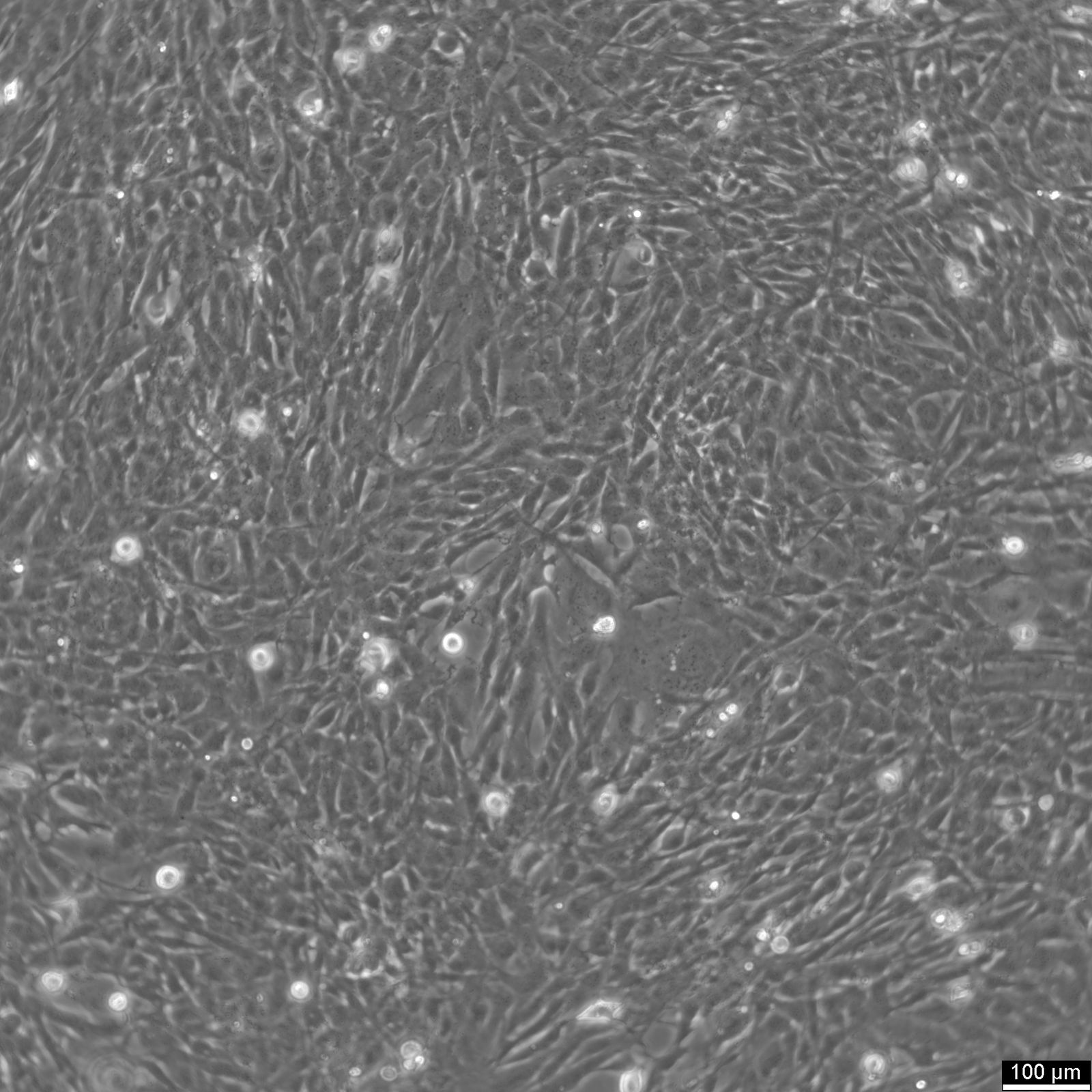
| Description | The AC16 cell line, derived from human ventricular cells fused with SV40-transformed, showcases characteristics typical of cardiomyocytes, including the expression of transcription factors such as GATA4, MYCD, NFATc4, and contractile proteins like alpha- and beta-myosin heavy chain. AC16 cells also express gap junction proteins connexin-43 and connexin-40, with functional gap junctions confirmed by dye-coupling studies, underscoring their utility in cardiomyocyte research. When the SV40 oncogene is silenced, AC16 transitions towards a more differentiated state, marked by the expression of BMP2, indicative of cardiac differentiation and developmental regulation. In general, scientists employ various techniques, including stem cell differentiation, animal models, molecular analysis, and biomarker discovery, to advance knowledge and potential therapies for heart-related conditions. The involvement of mitogen and senescence pathways, along with thymidine kinase induction, further elucidates the complex nature of human cardiomyocytes and their response to pathological conditions. The AC16 human cardiomyocyte cell line's ability to mimic the behavior of mature cardiomyocytes makes it a valuable model for cardiac research. It closely resembles the genetic makeup of primary cardiomyocytes, allowing for studies on cardiac development, pathology, and the implications of histone loss in vitro, however, the cardiomyocyte behavior and genetic complexity might not fully match that of primary or stem cell-derived cardiomyocytes. In the context of toxicology and cardiovascular disease research, AC16 cells serve as a vital tool for understanding cardiomyocyte development, inflammation, injury, regeneration, and toxicological effects. The unique properties of the AC16 human cardiomyocyte cell line, including its response to developmental cues and the ability to simulate the physiological conditions of human cardiomyocytes, make it an indispensable asset in the quest to unravel the mysteries of heart diseases and devise novel therapeutic interventions. |
|---|---|
| Organism | Human |
| Tissue | Heart, ventricle |
| Applications | Research in toxicology and cardiovascular disease focuses on understanding cardiomyocyte development, inflammation, injury, regeneration, and toxicological effects. Scientists use various techniques, including stem cell differentiation, animal models, molecular analysis, and biomarker discovery, to advance knowledge and potential therapies for heart-related conditions. |
| Synonyms | Human hybrid cardiomyocyte |
Details
| Ethnicity | Caucasian |
|---|---|
| Morphology | Epithelial |
| Cell type | Cardiomyocyte |
| Growth properties | Adherent |
Documentation
| Citation | AC16 Cardiomyocyte Cell Line (Cytion catalog number 305215) |
|---|---|
| Biosafety level | 1 |
| NCBI_TaxID | 9606 |
| CellosaurusAccession | CVCL_4U18 |
| GMO Status | GMO-S1: This AC16-derived human cardiomyocyte cell line contains an SV40 T-Antigen construct introduced by transfection, supporting conditional immortalization. The construct is stably integrated into uridine-auxotrophic fibroblast-derived cells. This classification applies only within Germany and may differ elsewhere. |
Genomics
| Viruses | Transformed by the SV40 large T-antigen |
|---|
Culturing guidelines
| Culture Medium | Culture medium:DMEM:Ham's F12 (1:1), w: 3.1 g/L Glucose, w: 2.5 mM L-Glutamine, w: 15 mM HEPES, w: 0.5 mM Sodium pyruvate, w: 1.2 g/L NaHCO3 (Cytion article number 820400a). Supplement the culture medium with 12.5% FBS and add 0.9 mM L-Glutamine to achieve a final concentration of 2.5 mM L-Glutamine.
|
|---|---|
| Dissociation Reagent | Accutase |
| Subculturing | Remove the old medium from the adherent cells and wash them with PBS that lacks calcium and magnesium. For T25 flasks, use 3-5 ml of PBS, and for T75 flasks, use 5-10 ml. Then, cover the cells completely with Accutase, using 1-2 ml for T25 flasks and 2.5 ml for T75 flasks. Let the cells incubate at room temperature for 8-10 minutes to detach them. After incubation, gently mix the cells with 10 ml of medium to resuspend them, then centrifuge at 300xg for 3 minutes. Discard the supernatant, resuspend the cells in fresh medium, and transfer them into new flasks that already contain fresh medium. |
| Freeze medium | As a cryopreservation medium, we use complete growth medium (including FBS) + 10% DMSO for adequate post-thaw viability, or CM-1 (Cytion catalog number 800100), which includes optimized osmoprotectants and metabolic stabilizers to enhance recovery and reduce cryo-induced stress. |
| Thawing and Culturing Cells |
|
| Incubation Atmosphere | 37°C, 5% CO2, humidified atmosphere. |
| Shipping Conditions | Cryopreserved cell lines are shipped on dry ice in validated, insulated packaging with sufficient refrigerant to maintain approximately −78 °C throughout transit. On receipt, inspect the container immediately and transfer vials without delay to appropriate storage. |
| Storage Conditions | For long-term preservation, place vials in vapor-phase liquid nitrogen at about −150 to −196 °C. Storage at −80 °C is acceptable only as a short interim step before transfer to liquid nitrogen. |
Quality control on the AC16 human cardiomyocyte cell line
| Sterility | Mycoplasma contamination is excluded using both PCR-based assays and luminescence-based mycoplasma detection methods. To ensure there is no bacterial, fungal, or yeast contamination, cell cultures are subjected to daily visual inspections. |
|---|
Certificate of Analysis (CoA)
| Lot Number | Certificate Type | Date | Catalog Number |
|---|---|---|---|
| 305215-180424 | Certificate of Analysis | 23. May. 2025 | 305215 |
| 305215-280725 | Certificate of Analysis | 22. Oct. 2025 | 305215 |
| 305215-060224 | Certificate of Analysis | 23. May. 2025 | 305215 |