
A431 Cells
CAD$545.10*
Products are shipped frozen on dry ice in cryotubes. Each cryotube typically contains 3 × 10⁶ cells for adherent lines or 5 × 10⁶ cells for suspension lines (refer to the batch CoA for details).
Summary on the epidermoid carcinoma cell line A431
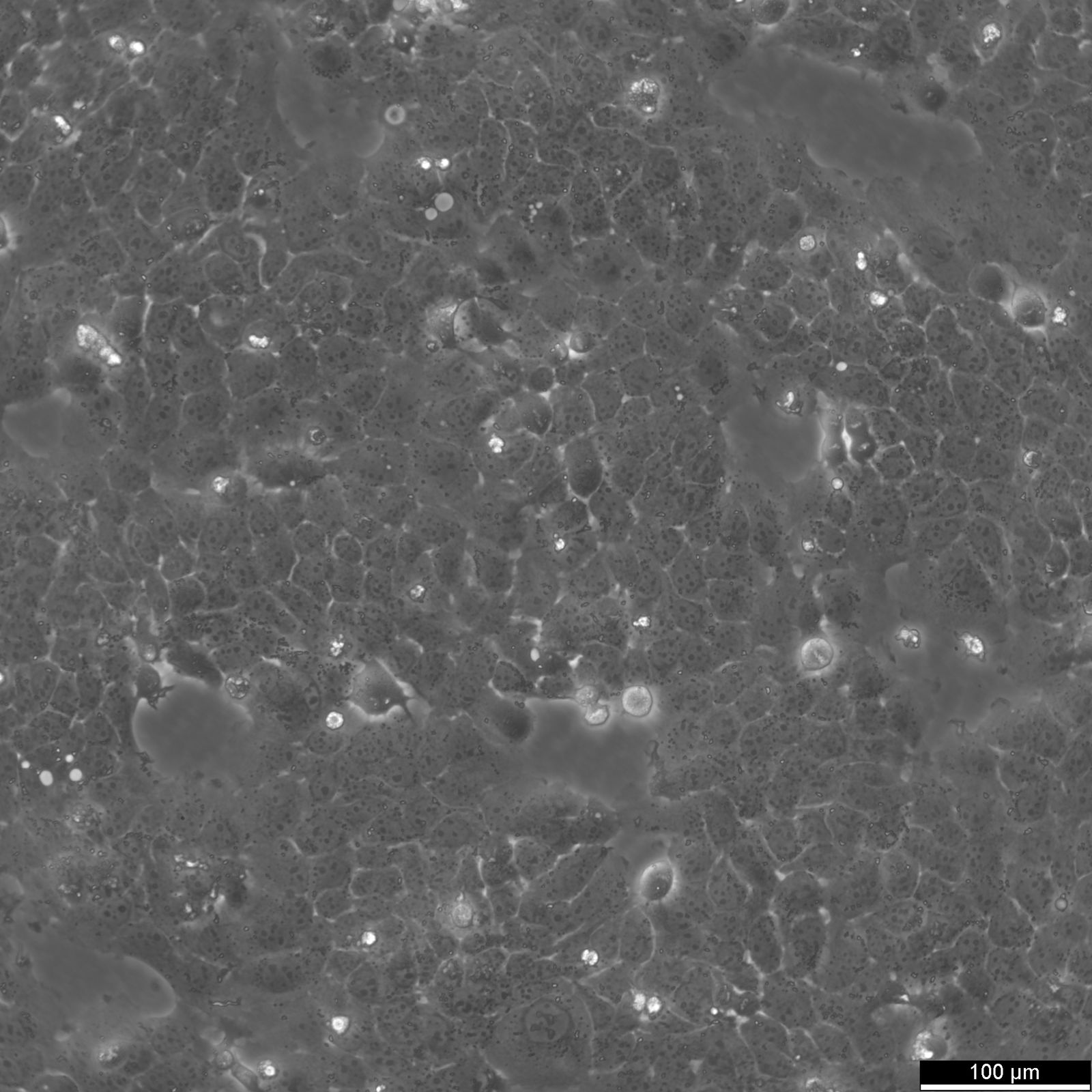
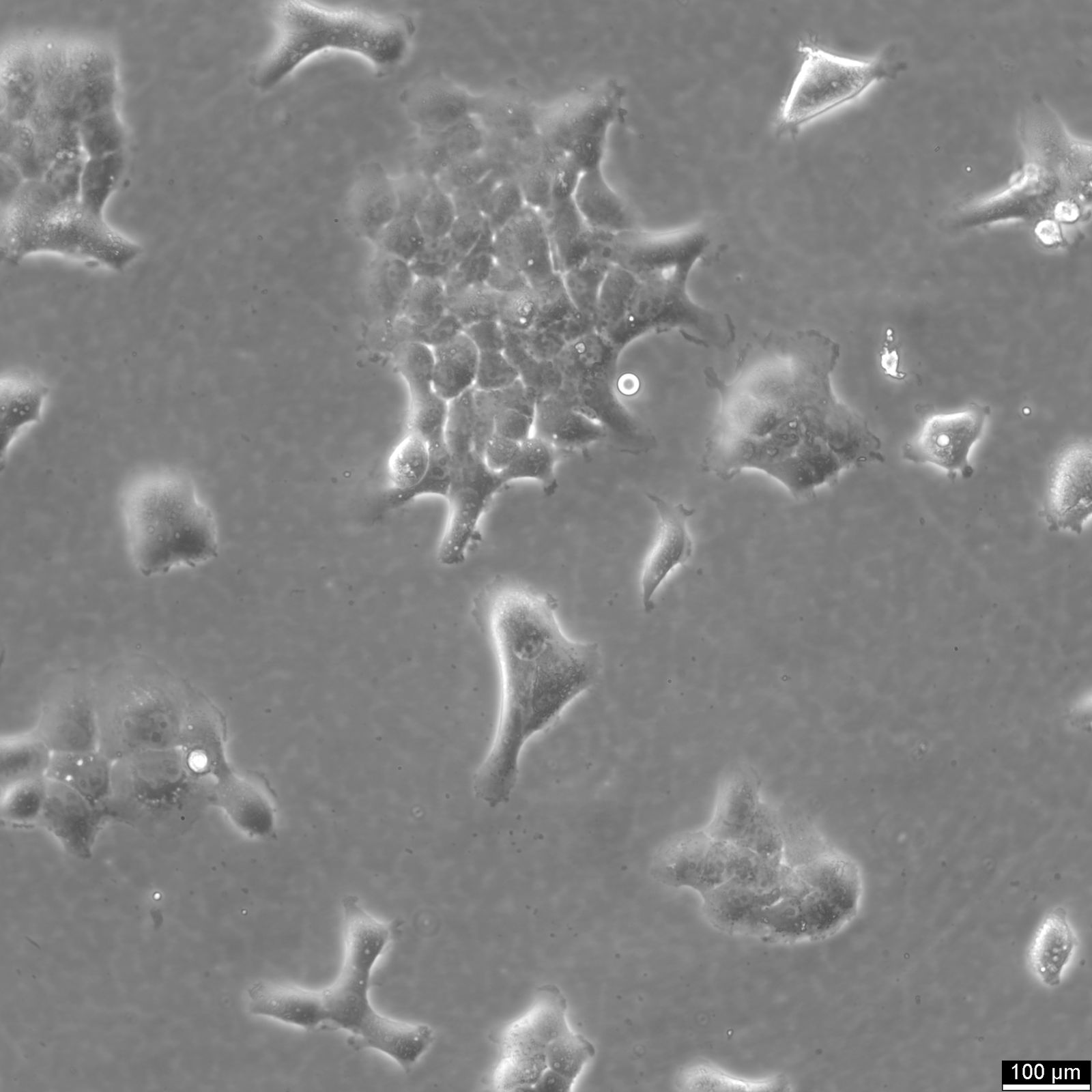
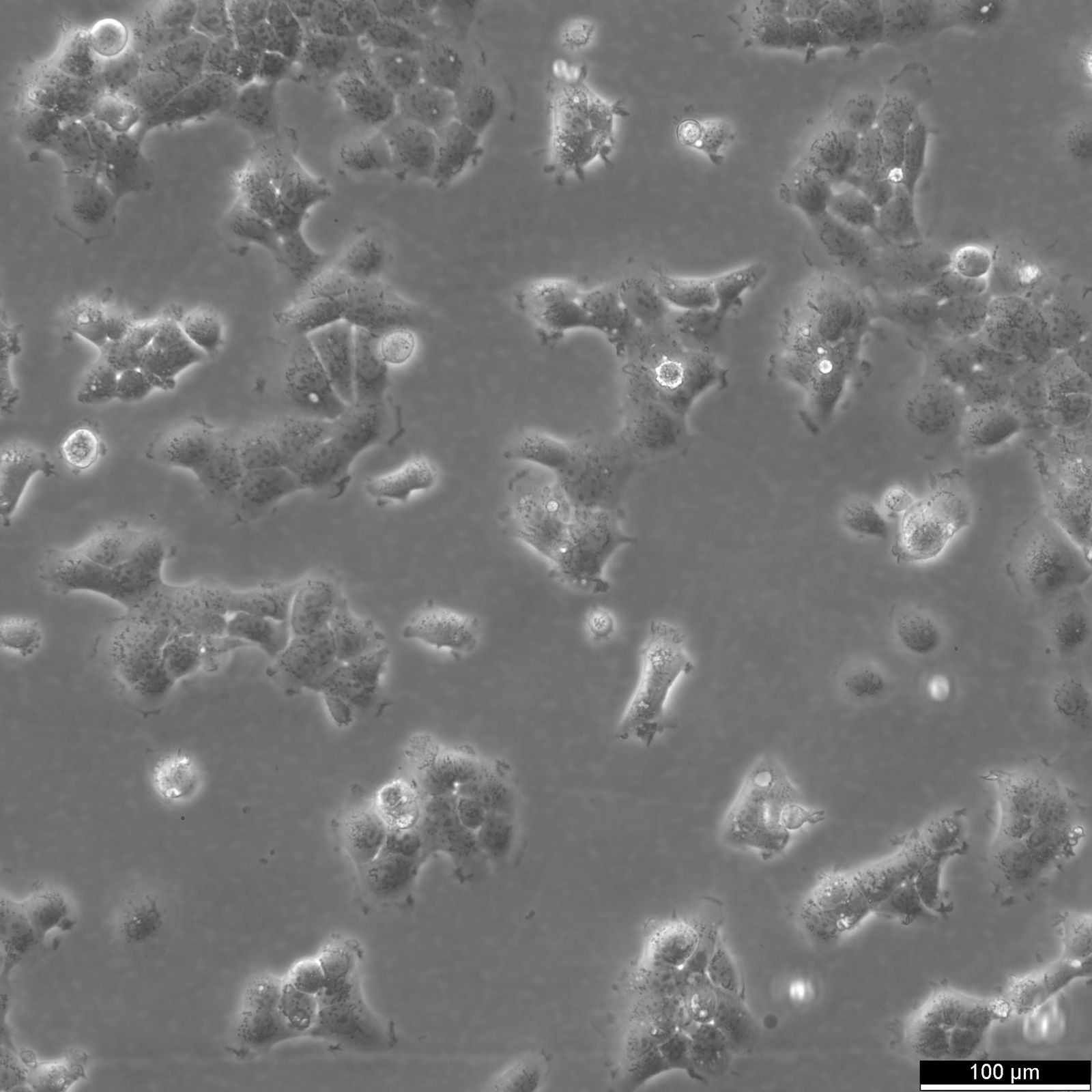
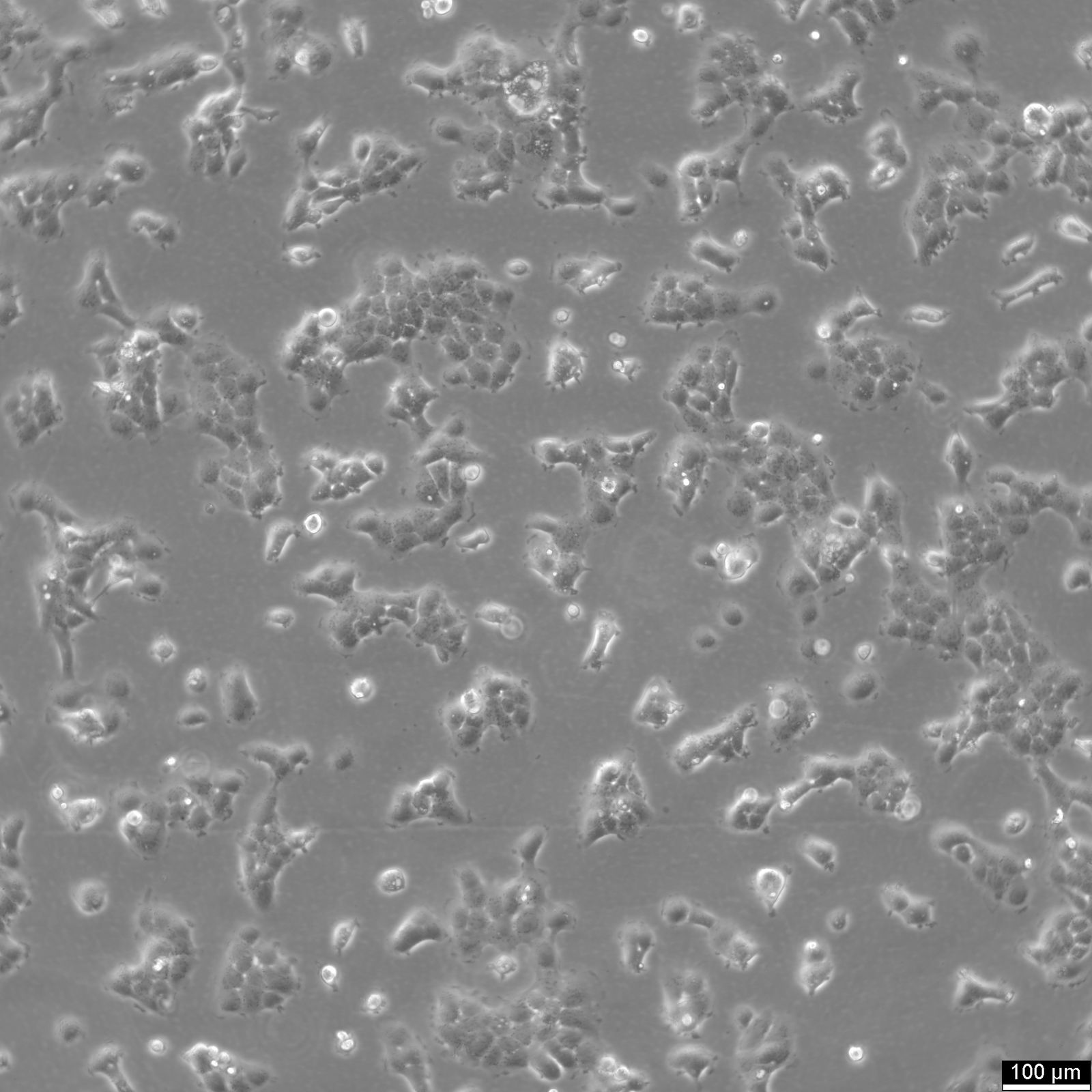
| Description | The A431 cell line, derived from a solid epidermoid carcinoma tumor in an 85-year-old female patient, is a human tumor cell line with an epithelial morphology, typically growing in clusters. The A-431 cell line is extensively utilized in cancer, toxicity, and immuno-oncology studies, serving as a positive control for epidermal growth factor (EGF) receptor expression due to its high receptor density. Upon binding of EGF to its receptor (EGFR) on the surface of A431 cells, a rapid tyrosine phosphorylation of membrane proteins occurs, triggering a cascade of intracellular signaling pathways. These pathways include the MAPK/ERK and PI3K/AKT pathways, which are pivotal in regulating cell cycle progression, survival, and proliferation. EGFR stimulates cell proliferation at low concentrations, whereas at higher concentrations, it inhibits growth and induces terminal differentiation in A431 cells. This dynamic response to EGFR underscores the cell line's utility in exploring cell signaling pathways and the cell cycle in the context of cancer. A-431 cell-derived xenograft models are used for studying tumor behavior in a live environment and evaluating anticancer therapies. These models help assess how treatments such as EGF supplementation and radiation, affect tumor growth and highlight the cells' sensitivity to radiation. In summary, the A-431 cell line serves as an invaluable human epidermoid carcinoma cell model, facilitating a deeper understanding of EGFR signaling, tumor biology, and the development of therapeutic interventions aimed at combating epidermoid carcinoma and other related cancers. |
|---|---|
| Organism | Human |
| Tissue | Epidermoid |
| Disease | Squamous cell carcinoma |
| Synonyms | A-431, A431/P |
Characteristics
| Age | 85 years |
|---|---|
| Gender | Female |
| Morphology | Epithelial-like, flat polygonal |
| Growth properties | Adherent |
Documentation
| Citation | A431 (Cytion catalog number 300112) |
|---|---|
| Biosafety level | 1 |
| NCBI_TaxID | 9606 |
| CellosaurusAccession | CVCL_0037 |
Genetics
| Receptors expressed | EGF-binding sites |
|---|---|
| Protein expression | P53 positive |
| Isoenzymes | G6PD, B, PGM1, 1, PGM3, 1, ES-D, 1, Me-2, 0, AK-1, 1, GLO-1, 2 |
| Tumorigenic | Yes, in immunosuppressed mice |
| Products | HBp17 |
| Mutational profile | BRAF V600Ewt |
| Karyotype | Six marker chromosomes with rearrangements: der(6), der(7), der(17), der(21), dic(13,14), and dic(14,18). Amplification of the C-MYC oncogene at 8q24 in two marker chromosomes: dup(8)(q24) and der(15)t(8,15)(q22,p11). |
Handling A-431 cells
| Culture Medium | DMEM, w: 4.5 g/L Glucose, w: 4 mM L-Glutamine, w: 3.7 g/L NaHCO3, w: 1.0 mM Sodium pyruvate (Cytion article number 820300a) |
|---|---|
| Supplements | Supplement the medium with 10% FBS |
| Dissociation Reagent | Accutase |
| Subculturing | Remove the old medium from the adherent cells and wash them with PBS that lacks calcium and magnesium. For T25 flasks, use 3-5 ml of PBS, and for T75 flasks, use 5-10 ml. Then, cover the cells completely with Accutase, using 1-2 ml for T25 flasks and 2.5 ml for T75 flasks. Let the cells incubate at room temperature for 8-10 minutes to detach them. After incubation, gently mix the cells with 10 ml of medium to resuspend them, then centrifuge at 300xg for 3 minutes. Discard the supernatant, resuspend the cells in fresh medium, and transfer them into new flasks that already contain fresh medium. |
| Seeding density | 1 x 10⁴ cells/cm2 will result in a confluent monolayer within 4 days. |
| Fluid renewal | 2 to 3 times per week |
| Post-Thaw Recovery | After thawing, plate the cells at 5 x 10⁴ cells/cm2 and allow the cells to recover from the freezing process and to adhere for at least 24 hours. |
| Freeze medium | As a cryopreservation medium, we use complete growth medium (including FBS) + 10% DMSO for adequate post-thaw viability, or CM-1 (Cytion catalog number 800100), which includes optimized osmoprotectants and metabolic stabilizers to enhance recovery and reduce cryo-induced stress. |
| Thawing and Culturing Cells |
|
| Incubation Atmosphere | 37°C, 5% CO2, humidified atmosphere. |
| Shipping Conditions | Cryopreserved cell lines are shipped on dry ice in validated, insulated packaging with sufficient refrigerant to maintain approximately −78 °C throughout transit. On receipt, inspect the container immediately and transfer vials without delay to appropriate storage. |
| Storage Conditions | For long-term preservation, place vials in vapor-phase liquid nitrogen at about −150 to −196 °C. Storage at −80 °C is acceptable only as a short interim step before transfer to liquid nitrogen. |
Quality assurance
| Sterility | Mycoplasma contamination is excluded using both PCR-based assays and luminescence-based mycoplasma detection methods. To ensure there is no bacterial, fungal, or yeast contamination, cell cultures are subjected to daily visual inspections. |
|---|
Certificate of Analysis (CoA)
| Lot Number | Certificate Type | Date | Catalog Number |
|---|---|---|---|
| 300112-260724 | Certificate of Analysis | 15. Apr. 2025 | 300112 |
| 300112-200723 | Certificate of Analysis | 15. Apr. 2025 | 300112 |